 テーブル
テーブル チェア
チェア サイドボード
 デスク
デスク ブックケース
 チェスト
チェスト ウォールユニット
 その他家具
その他家具 雑貨
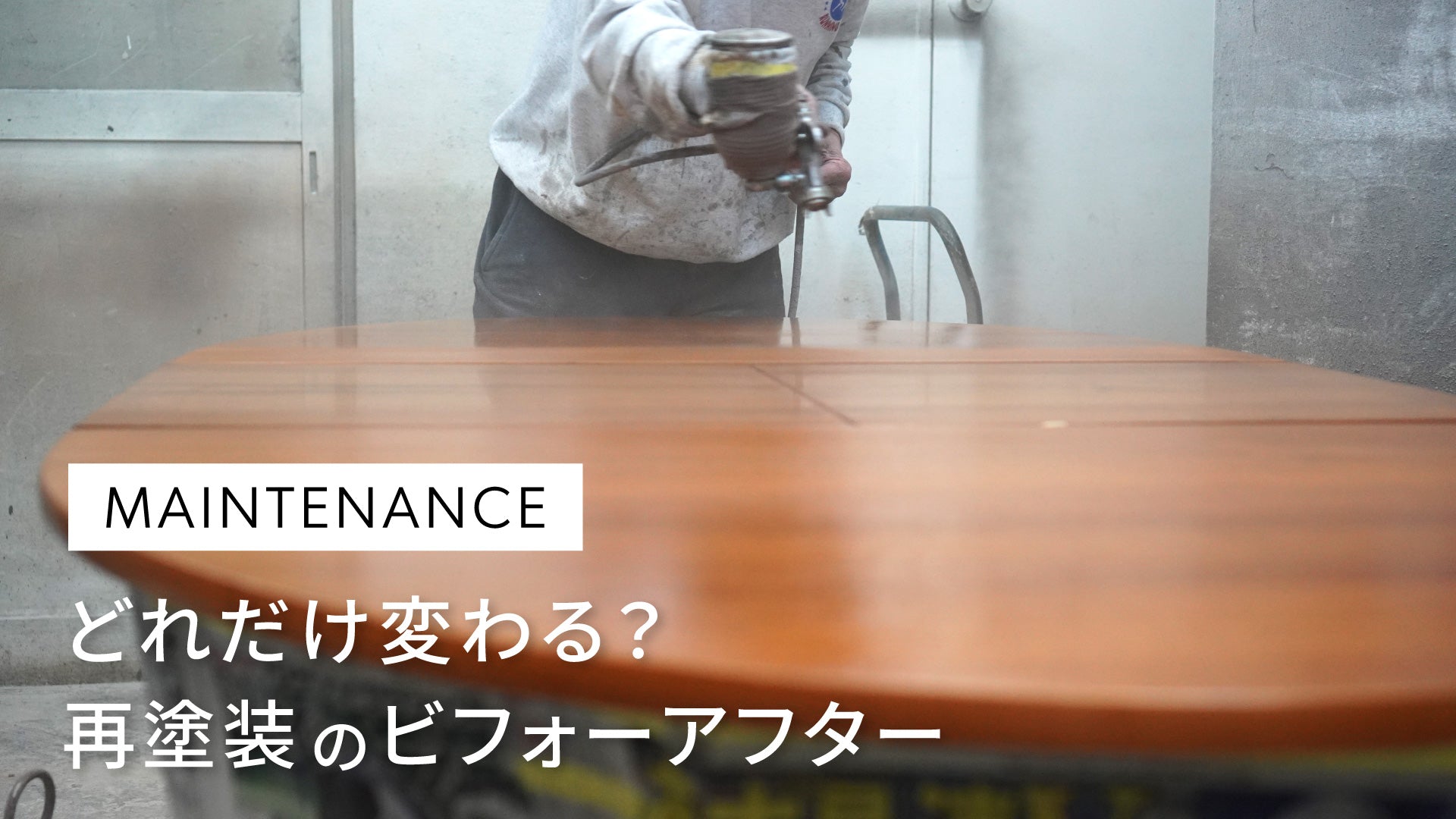
雑貨 メンテナンス
30万円以上のお買い物で、送料が無料に

camoriでは、税込30万円以上のお買い物で、送料が無料になるサービスを開始いたします。
大型の家具や複数点のまとめ買いがぐっとお得になります。
- 対象商品
- オンラインショップ・倉庫でお取り扱いのすべての商品
- 条件
- 税込30万円以上のご購入
- お届けエリア
- 都道府県を問わず全国対象(お届け可能な地域に限ります)
- 適用方法
- カート小計が税込30万円以上になると、ご購入手続き画面で送料が自動的に無料になります。クーポンコードの入力などは必要ありません。
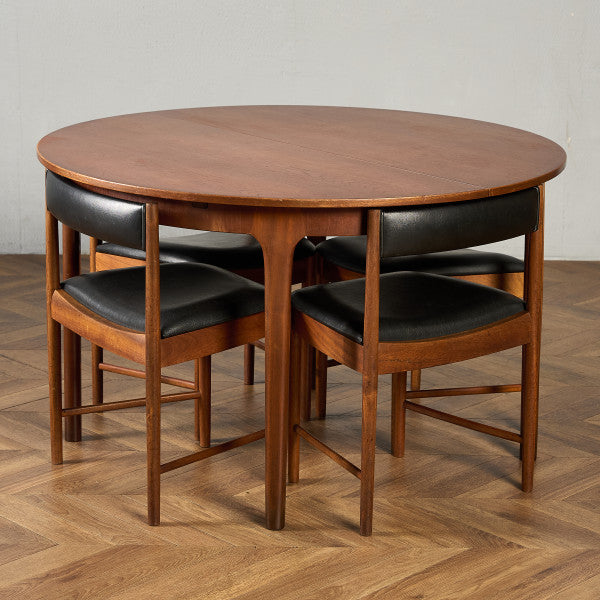
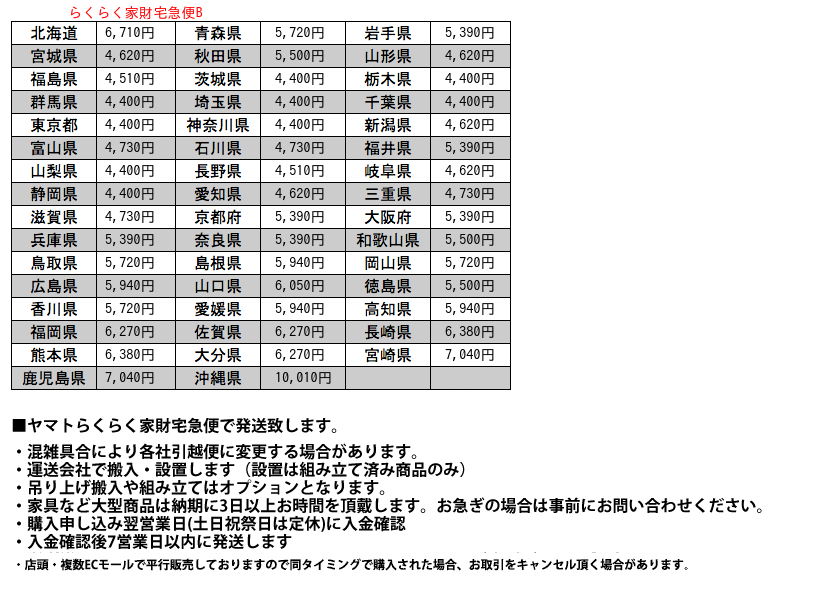
- こちらのダイニングセットの場合、通常¥35,110(東京都へのお届け)の送料が無料に!
憧れの一点も、ダイニングセットのようにまとめてのお迎えも。オンライン・倉庫どちらでも同じ条件です。
ぜひご利用ください。


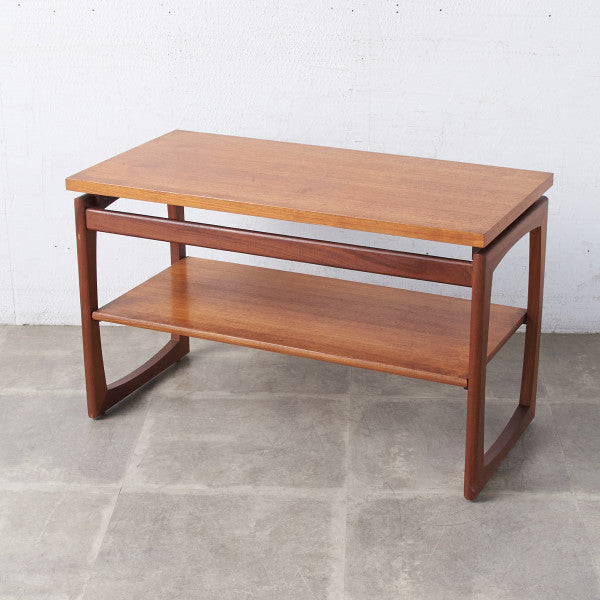
[63048] Rare G-PLAN Quadrille Vintage Coffee Table G-PLAN Teak Center Table Low Table British Vintage
[63048] Rare G-PLAN Quadrille Vintage Coffee Table G-PLAN Teak Center Table Low Table British Vintage
Couldn't load pickup availability
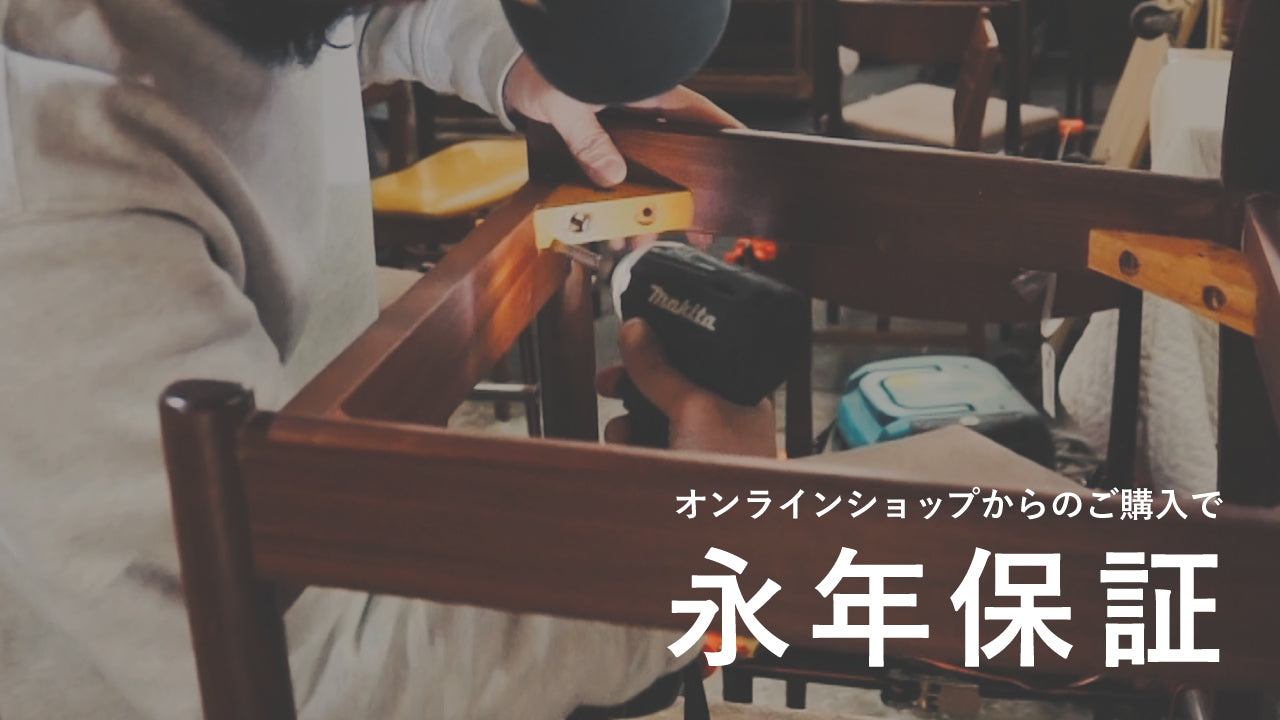
オンラインでのご購入で永年保証
オンラインでのご購入で永年保証
camoriではオンラインショップからのご購入で、すべての家具を永年保証。ご購入後の修理やメンテナンスもいつでもご相談いただけます。
Easy home delivery serviceで
Easy home delivery serviceで
地域別の送料・最短お届け日・時間帯指定の可否は「詳細を確認する」からご覧いただけます。
倉庫見学(予約不要)─ Kamata Warehouse No. 1
倉庫見学(予約不要)─ Kamata Warehouse No. 1
実物は東京・蒲田の倉庫でいつでもご覧いただけます。ご予約は不要です。
- Item number
- 63048
- Warehouse location
- Kamata Warehouse No. 12F C2 (2nd floor)
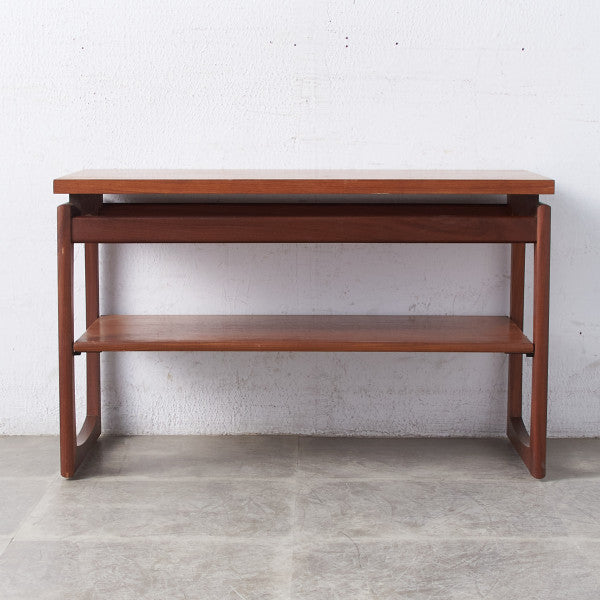
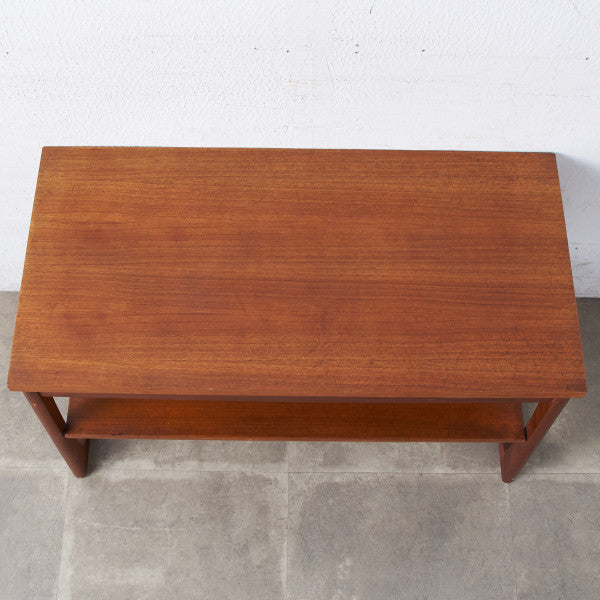
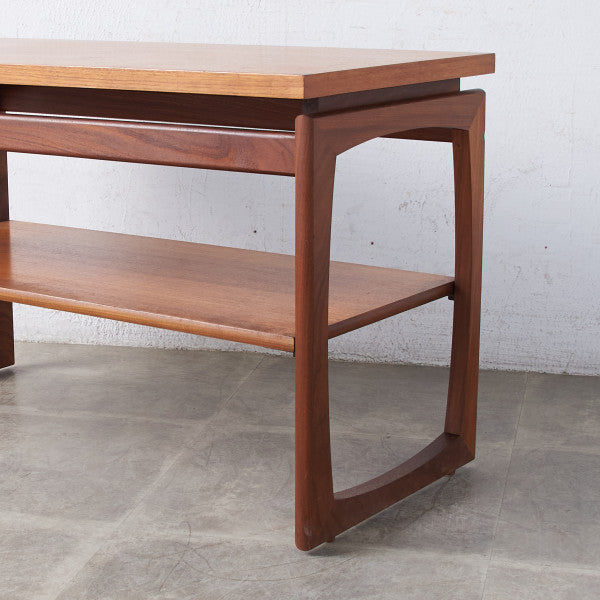
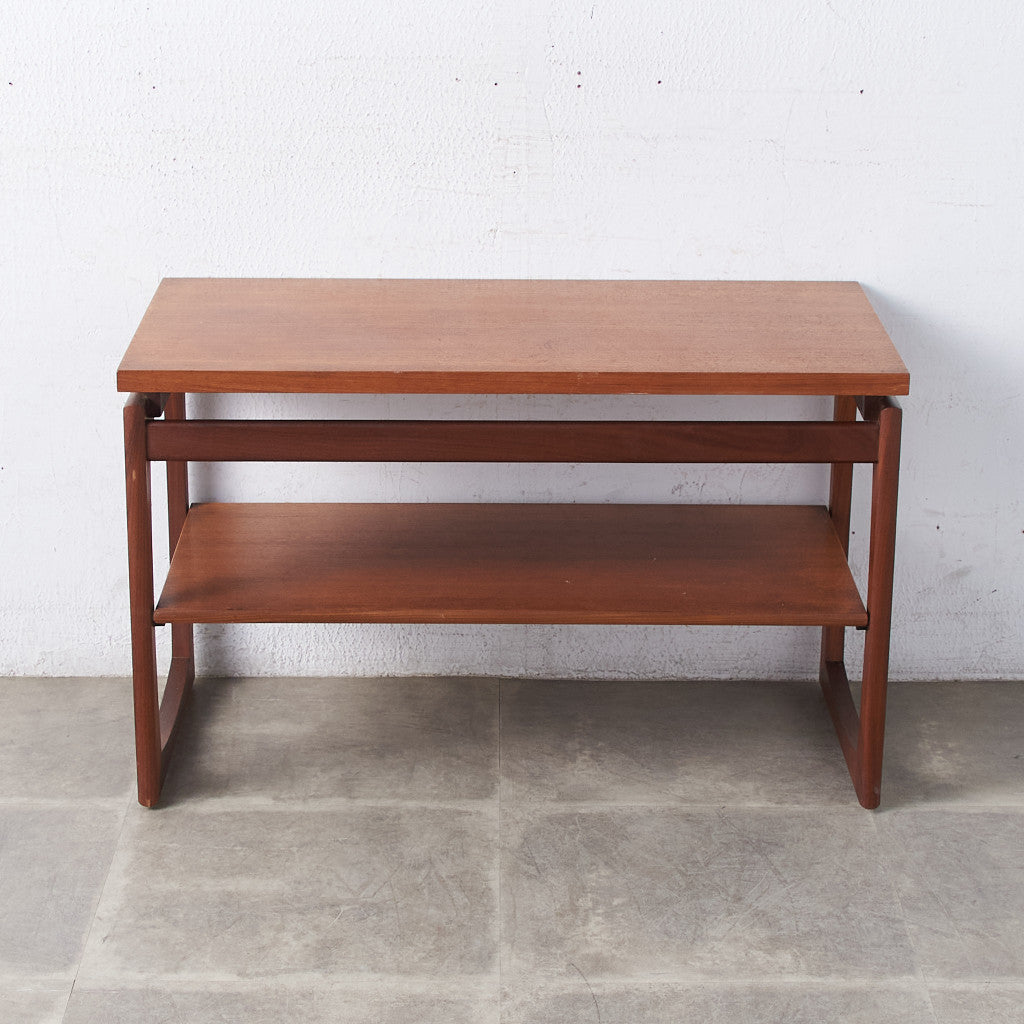
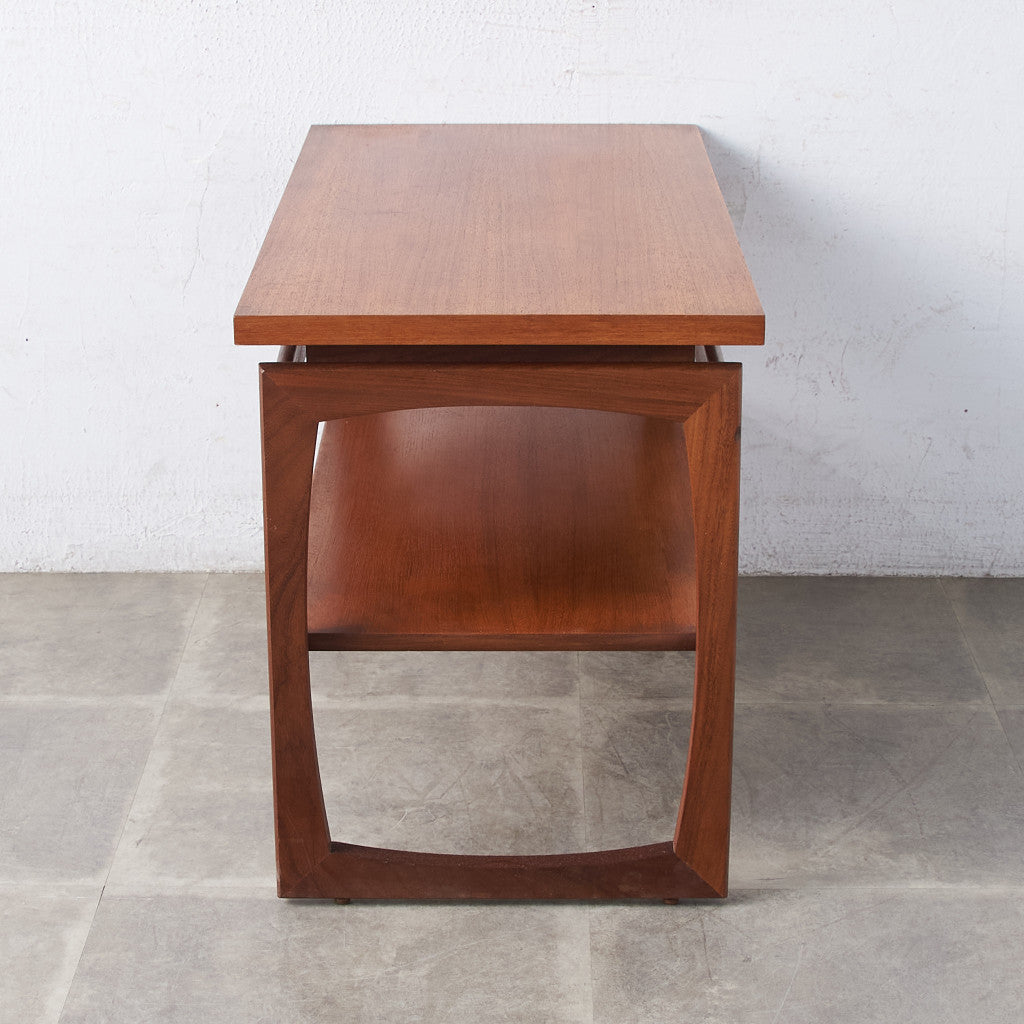
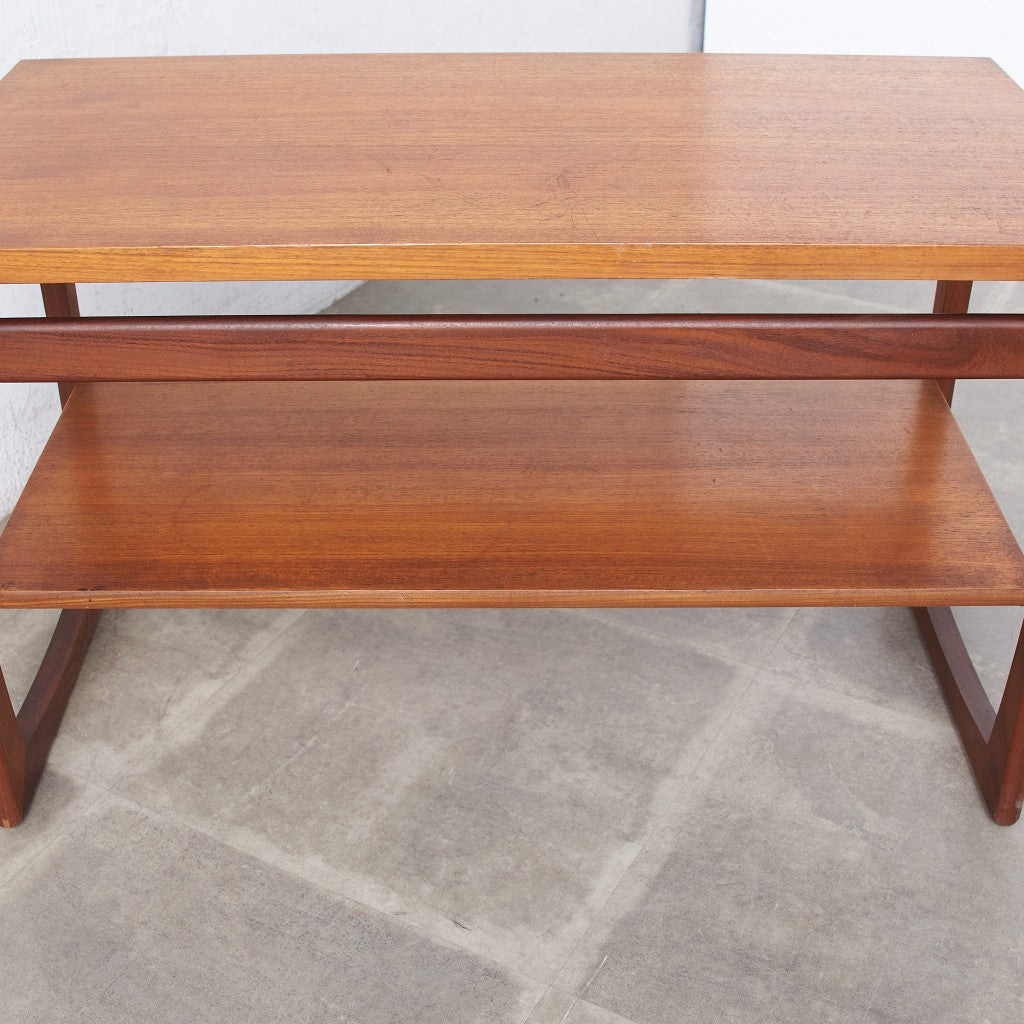
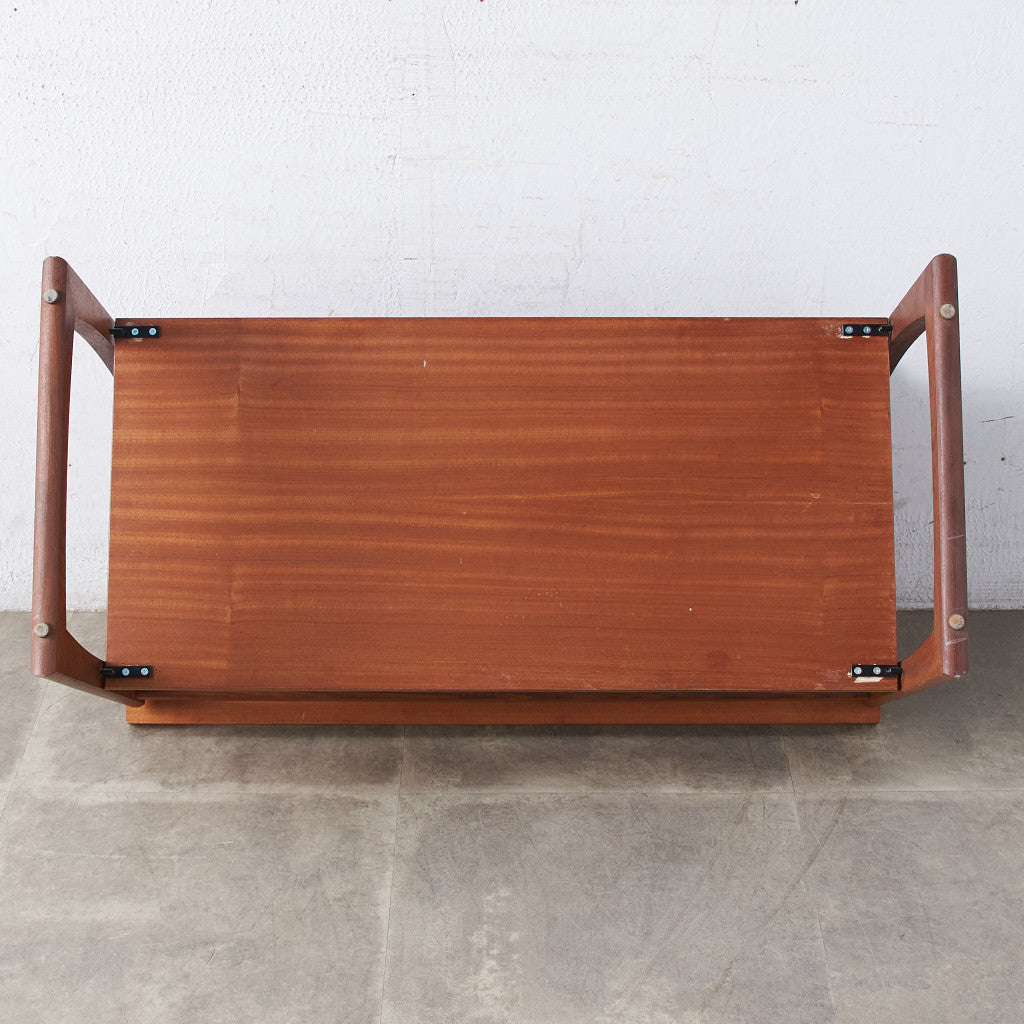
This is the Quadrille series coffee table designed by Roger Bennett for G-PLAN, a brand representative of British mid-century design.
The elegant design based on straight lines is impressive. This is a very rare model that is rarely seen on the vintage market.
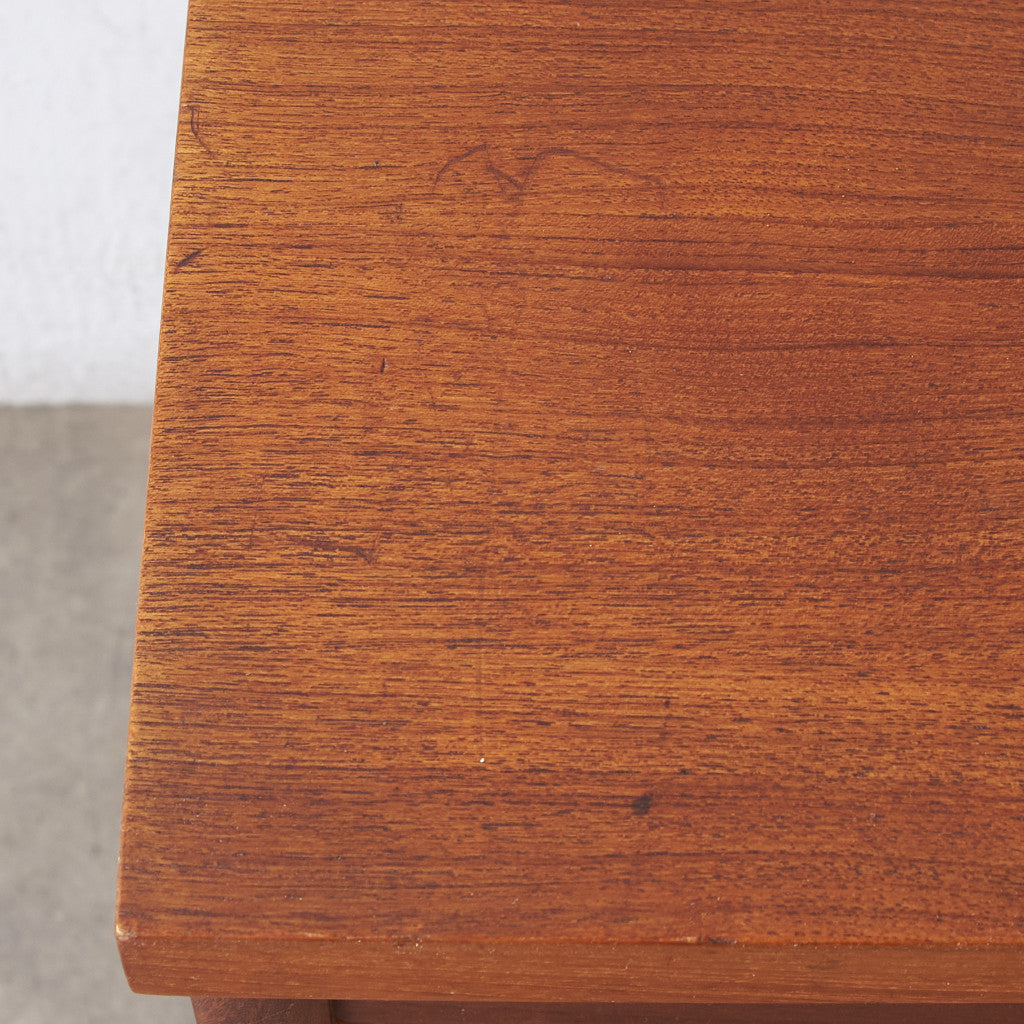
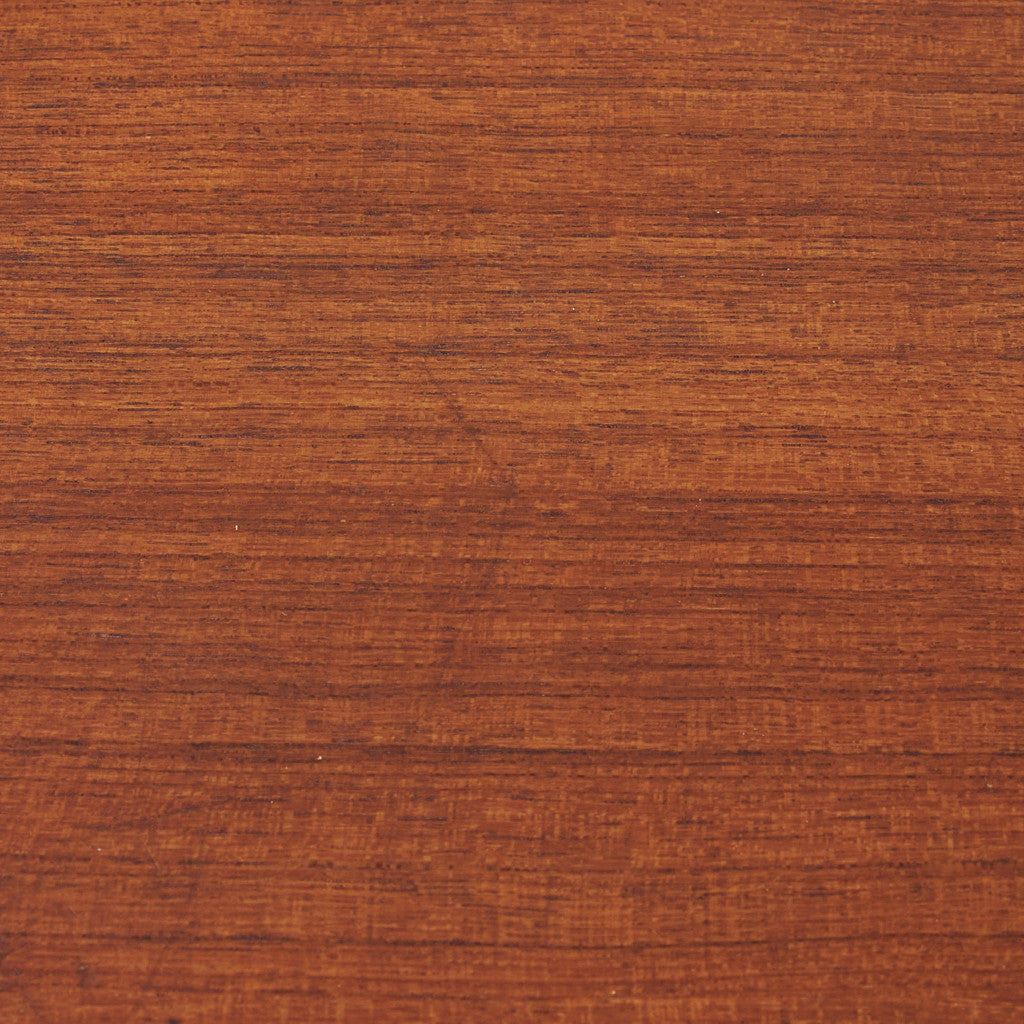
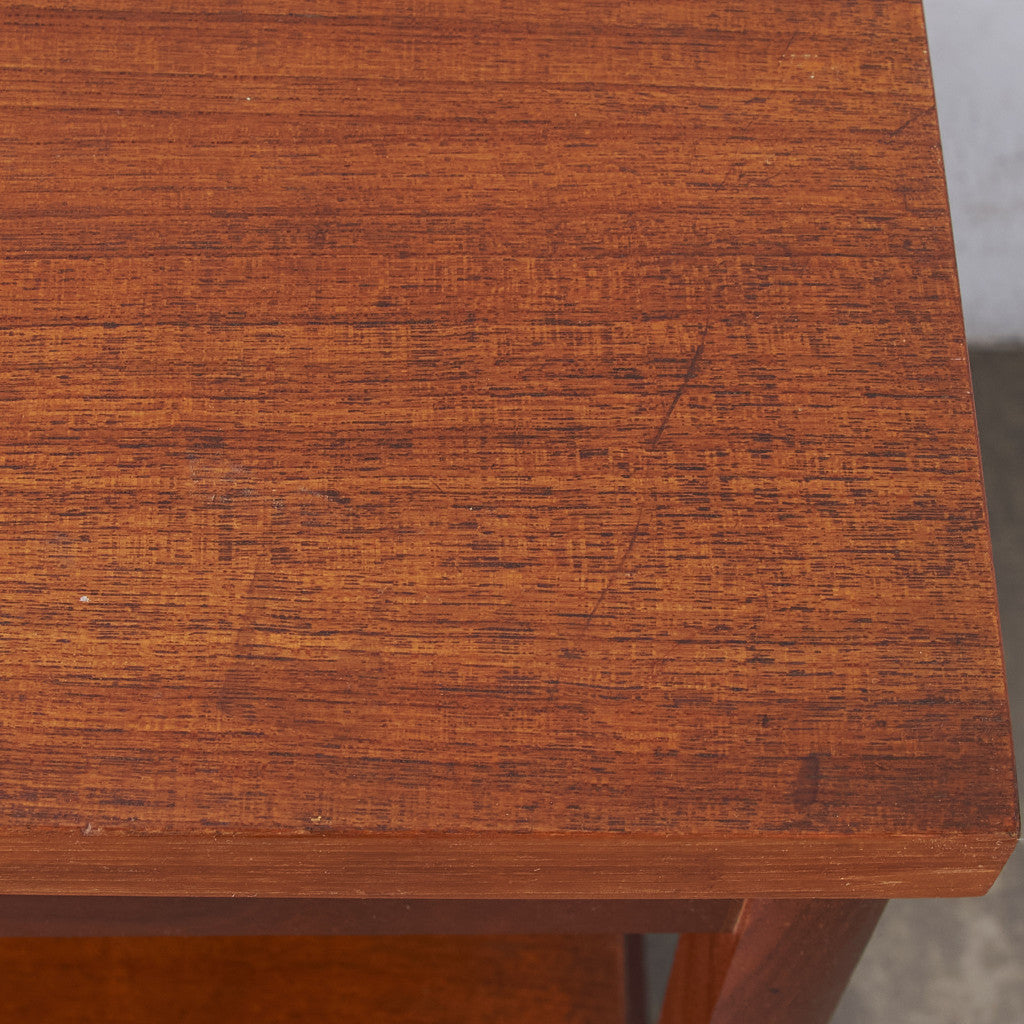
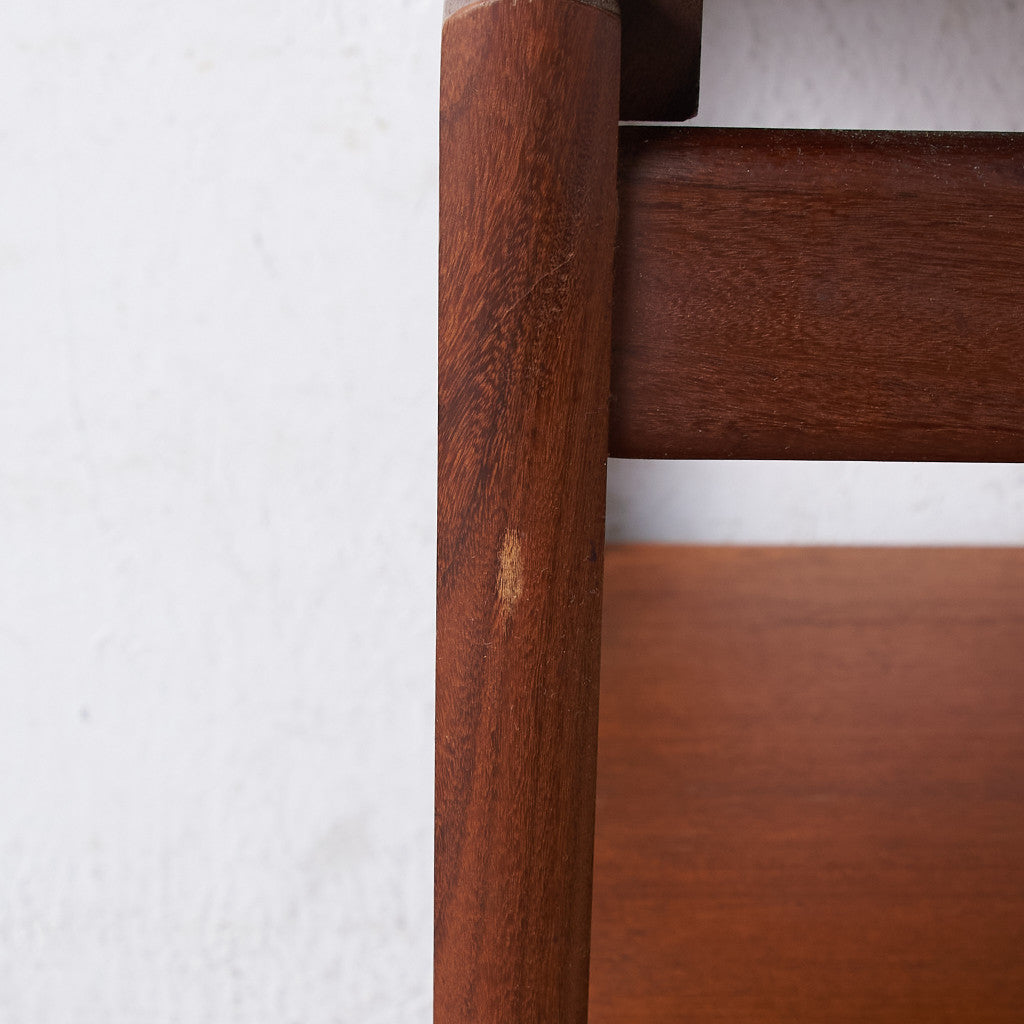
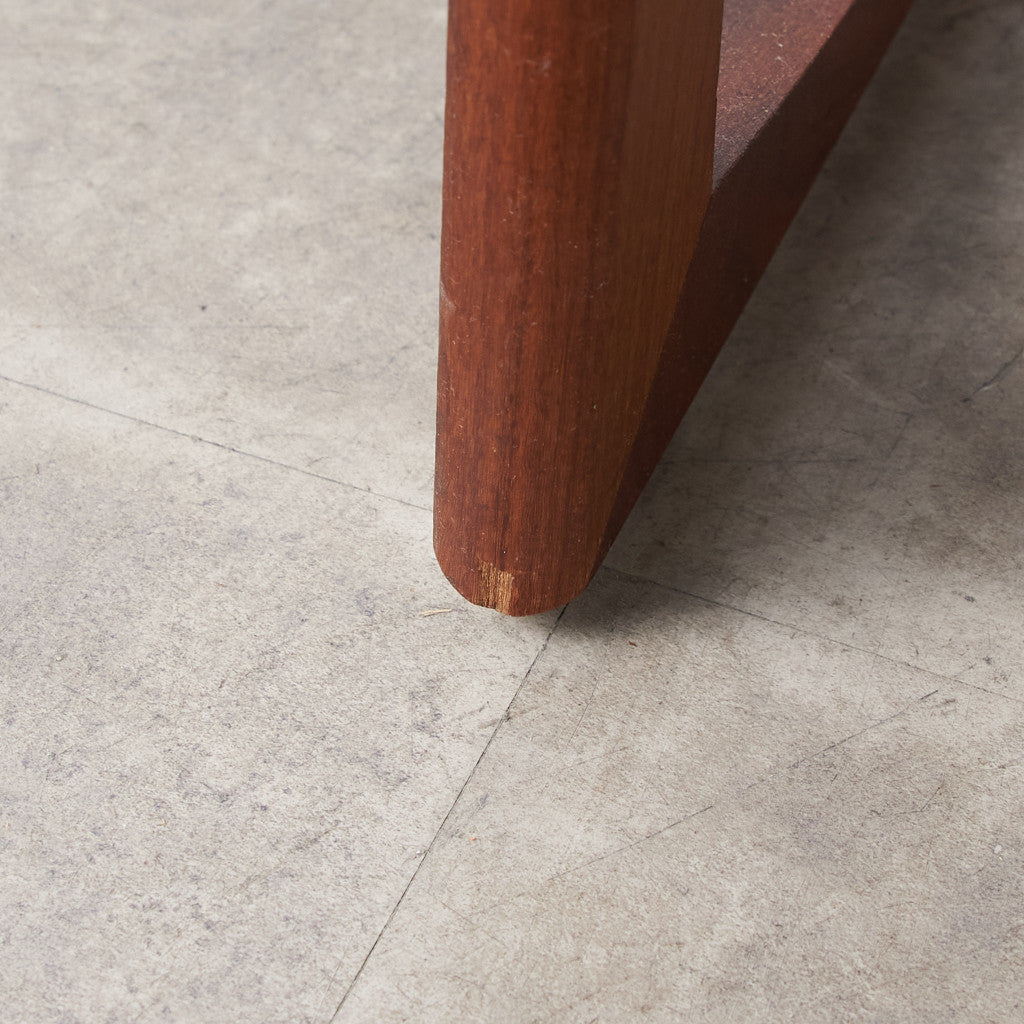
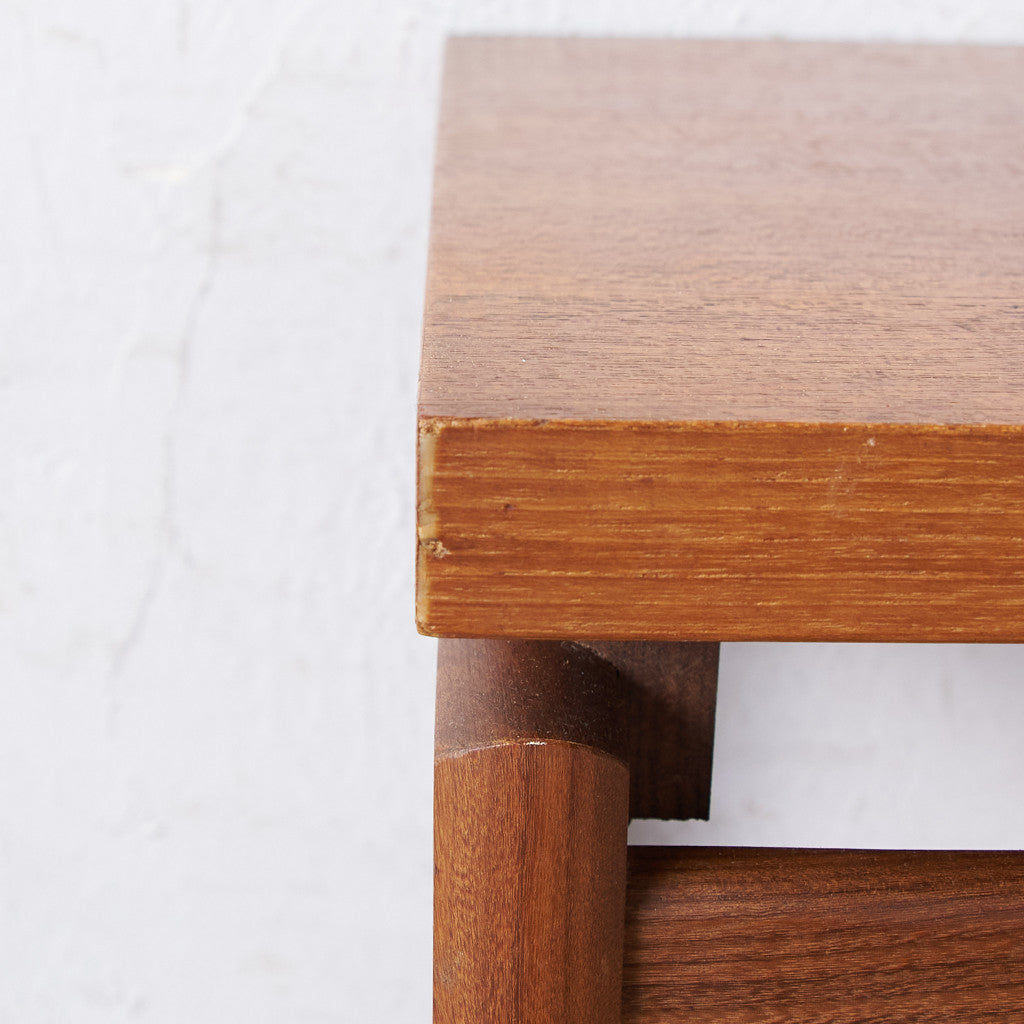
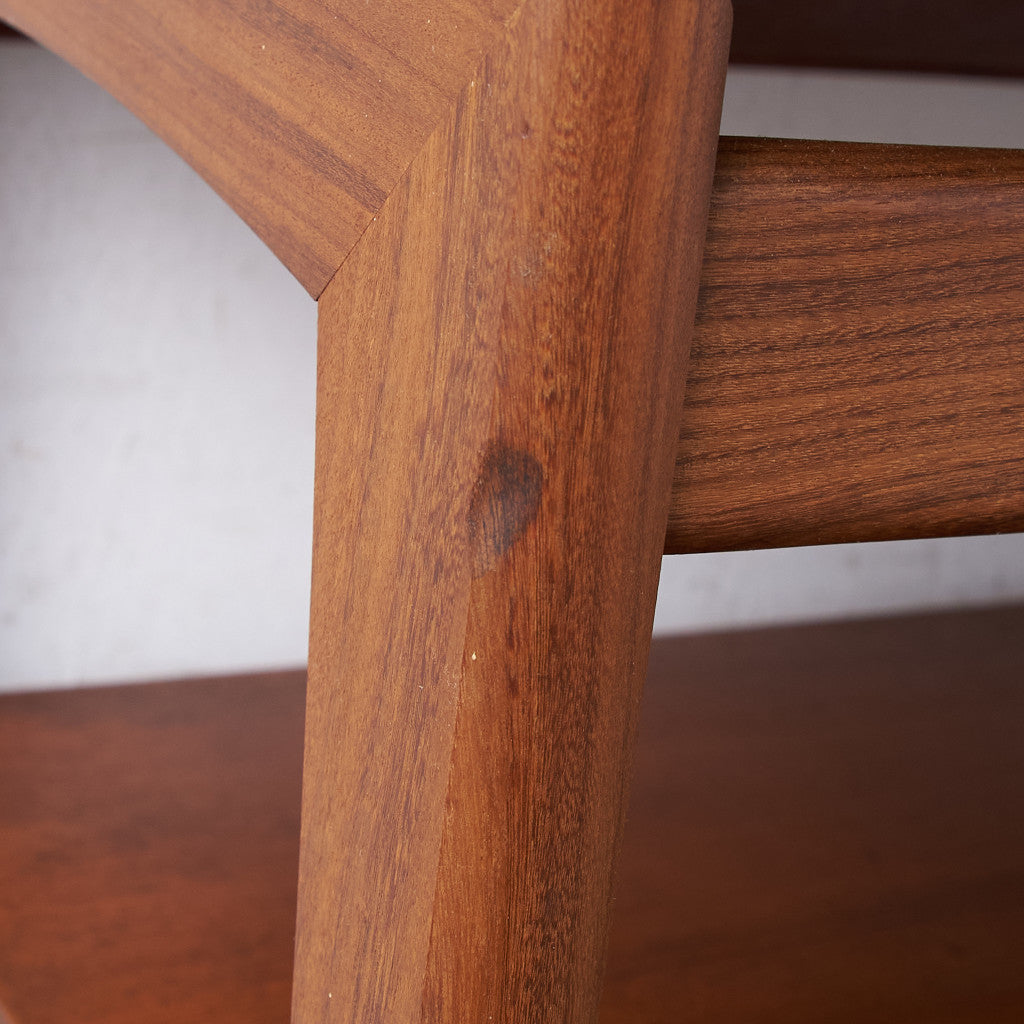
The G-PLAN Quadrille series, released in 1965, takes its name from the classic French square dance. Like the Fresco series, it has its roots in 1960s Danish design and is made of beautiful brown teak wood. It features barrel-shaped handles with beveled edges and beautiful legs with a gentle curve on the inside and a square shape on the outside.
Jeep Plan G-PLAN
This furniture brand was launched in 1952 by Ebenezer Gomme, a company founded in 1898 in the town of High Wycombe in the UK. It was the first in the UK to embrace the Scandinavian furniture boom of the 1950s, and by the 1960s it had become so popular that it was said to be a symbol of London's urban lifestyle. "G" stands for Gomme, and "PLAN" stands for planning, which means "planning your lifestyle." The product concept was a groundbreaking idea at the time, where people could enjoy creating a modern room in its entirety by purchasing individual items little by little. In 1987, the company was sold, and after many twists and turns, sofas are still manufactured by "G Plan Upholstery" in the west of England, and cabinets by "G Plan Cabinets" in Scotland.
Roger Bennett
A designer who was mainly active in G-PLAN during the mid-century period. He supported G-PLAN together with Eve Kofod Larsen and Victor Bramwell Wilkins, and created several furniture series. The hit series, Quadrille, is still very popular today. Bennett's designs are characterized by their linear and elegant lines, while incorporating the simple Scandinavian style.
Teak (real teak)
Teak wood from northern Thailand and Myanmar grows slowly in harsh environments, slowly accumulating oils, and has strong anti-corrosive, water-resistant, anti-rot, and insect-repellent properties, with little shrinkage and a beautiful, dense wood grain, so it has been prized as one of the world's three most precious woods, along with Brazilian rosewood and Honduran mahogany. Teak wood from this region is harvested using a special method called "rolling dry" that takes 3 to 5 years to drain the water from the tree while it is still standing, making it very suitable for processing. This method also gives it the name "dry teak." Teak wood has been used as a material for Scandinavian and high-end furniture, but its population has drastically decreased and it has become extremely rare and valuable. Currently, the teak wood in circulation is mainly "Indonesian teak" artificially cultivated in Java, Indonesia, but it grows quickly and is harvested while still young, so it is inferior in beauty of grain and durability.
Specifications
- Size (mm)
- - Width 915 Depth 455 Height 565
- Main materials
- - Cheek
- Notes
- -
- Condition
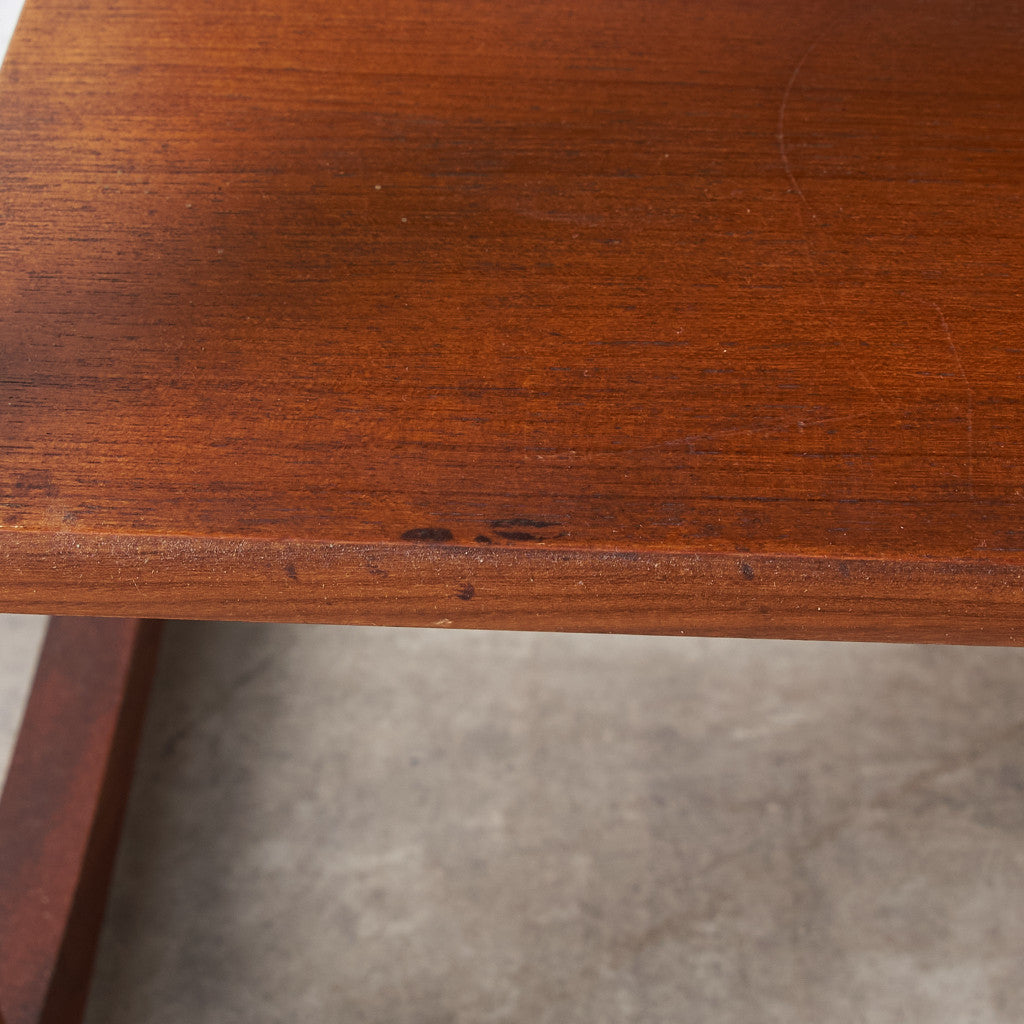
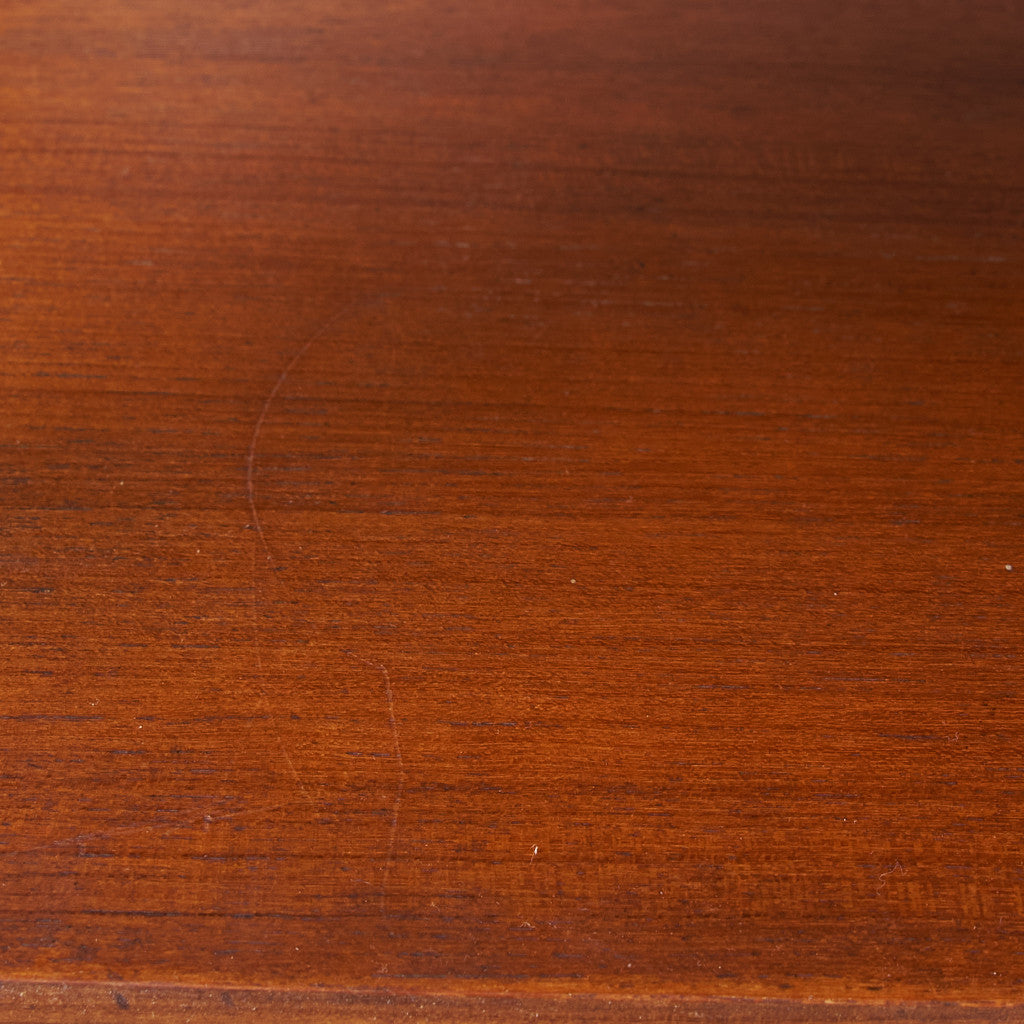
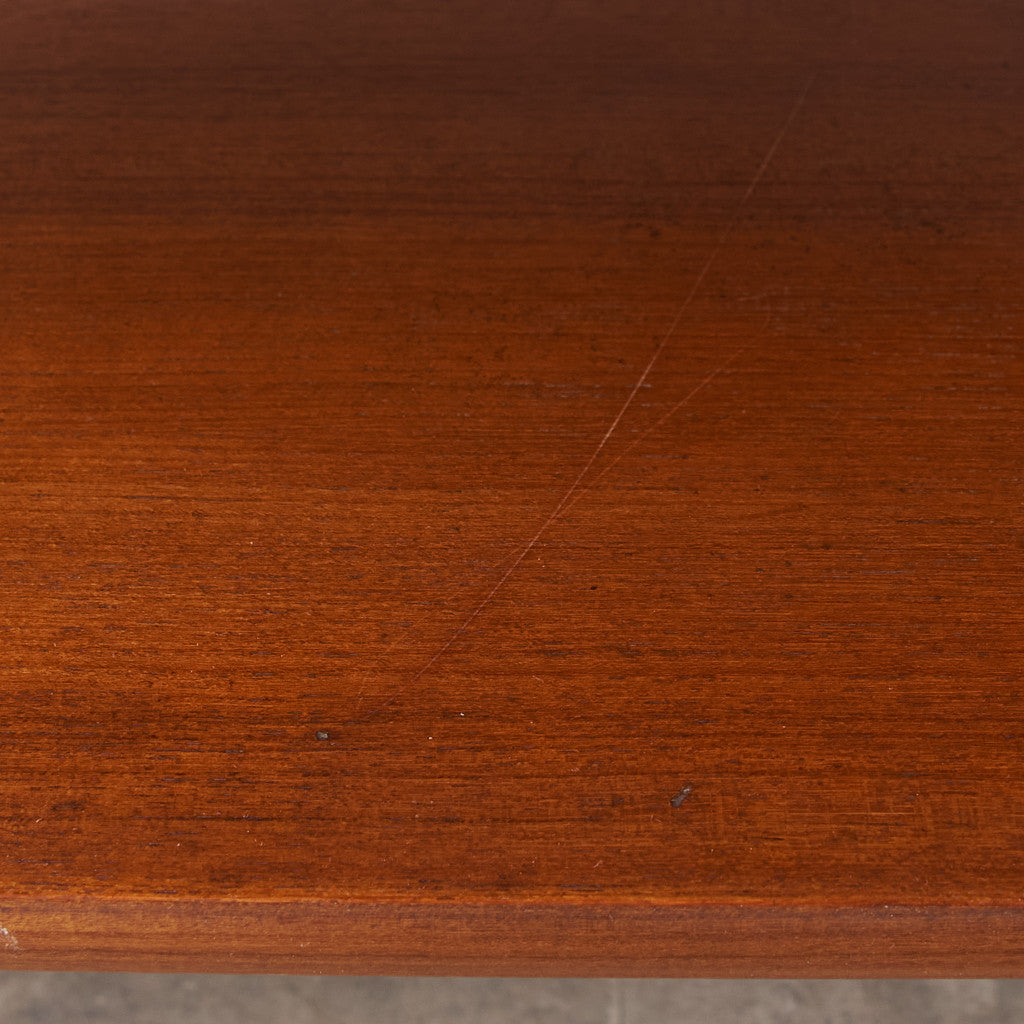
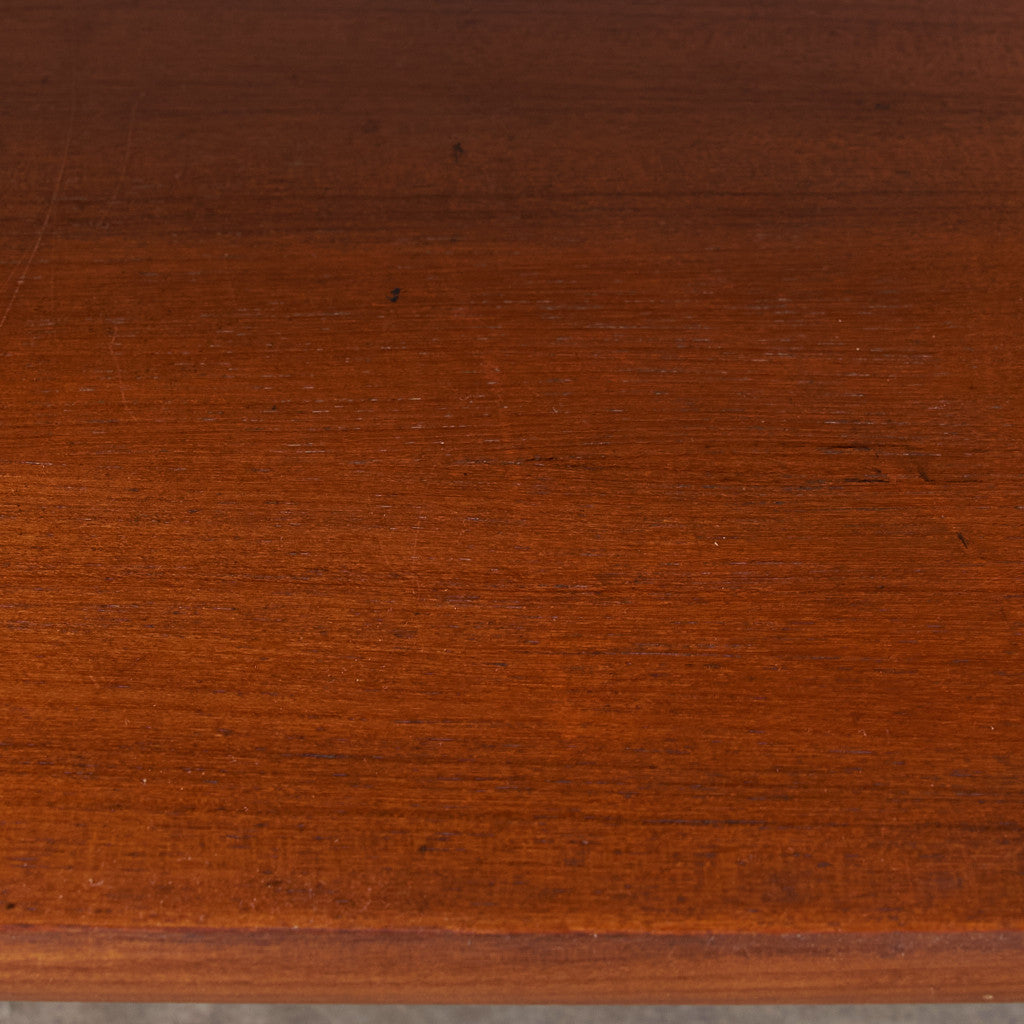
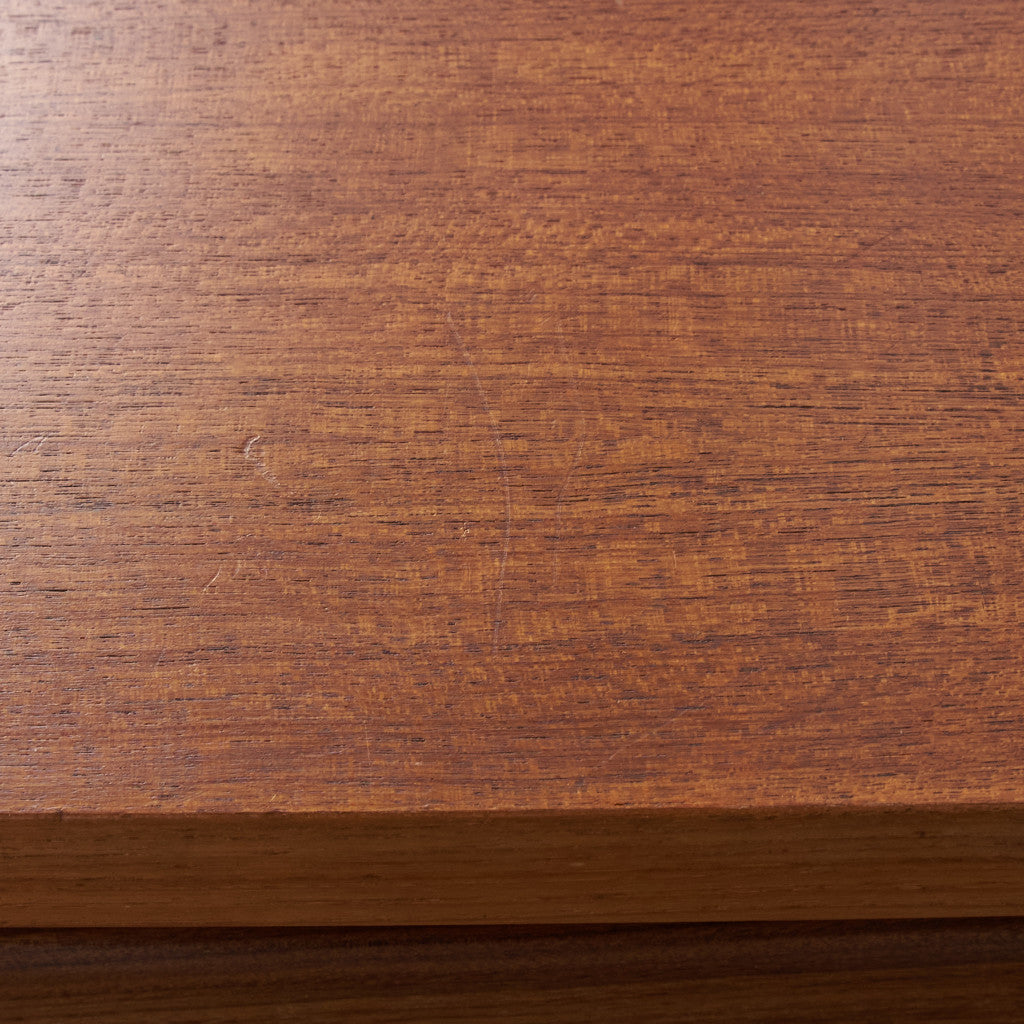
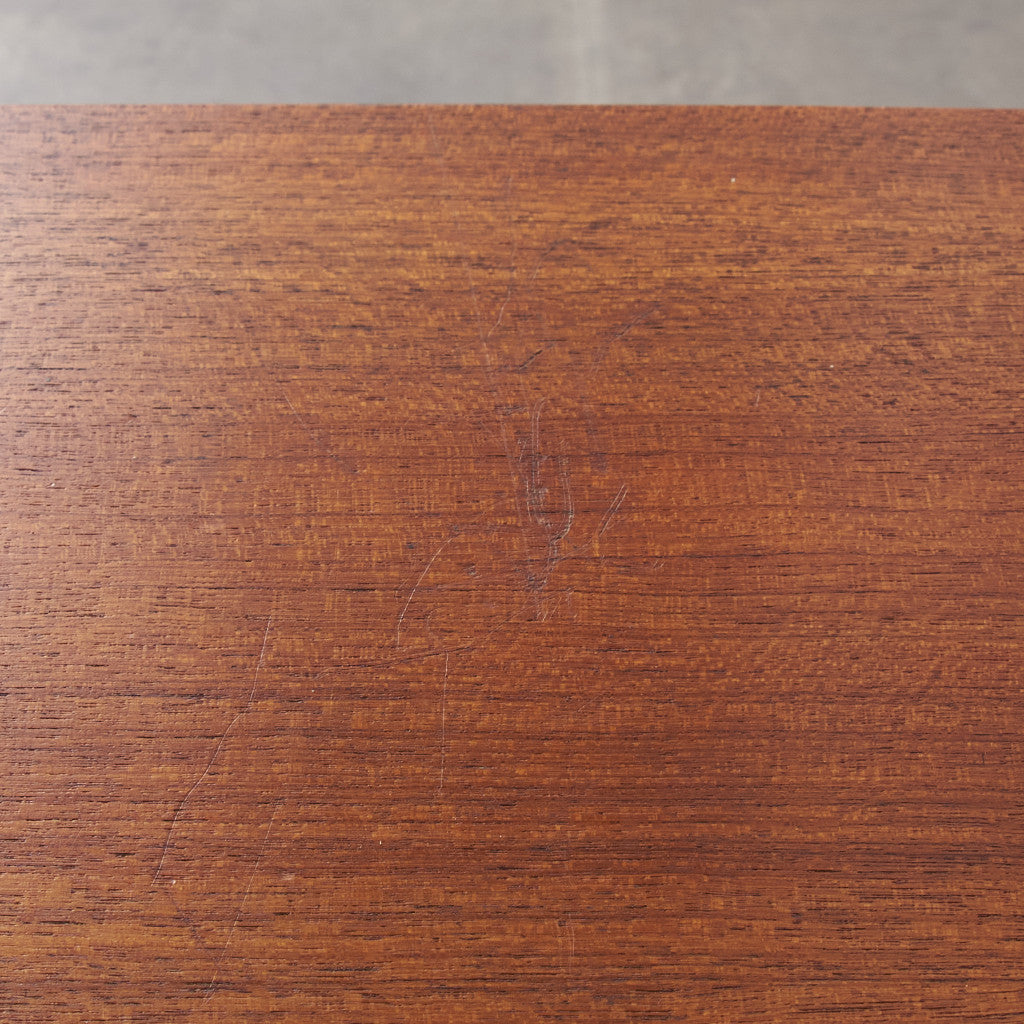
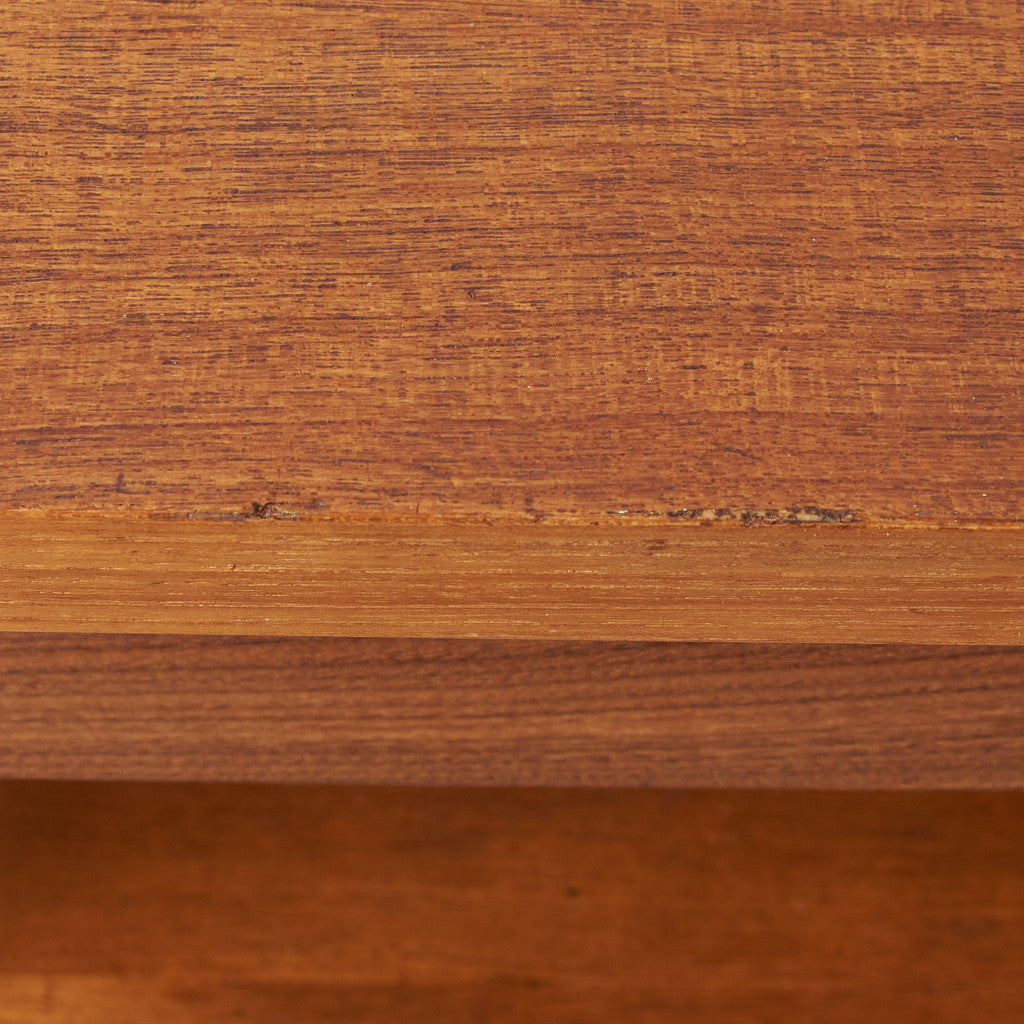
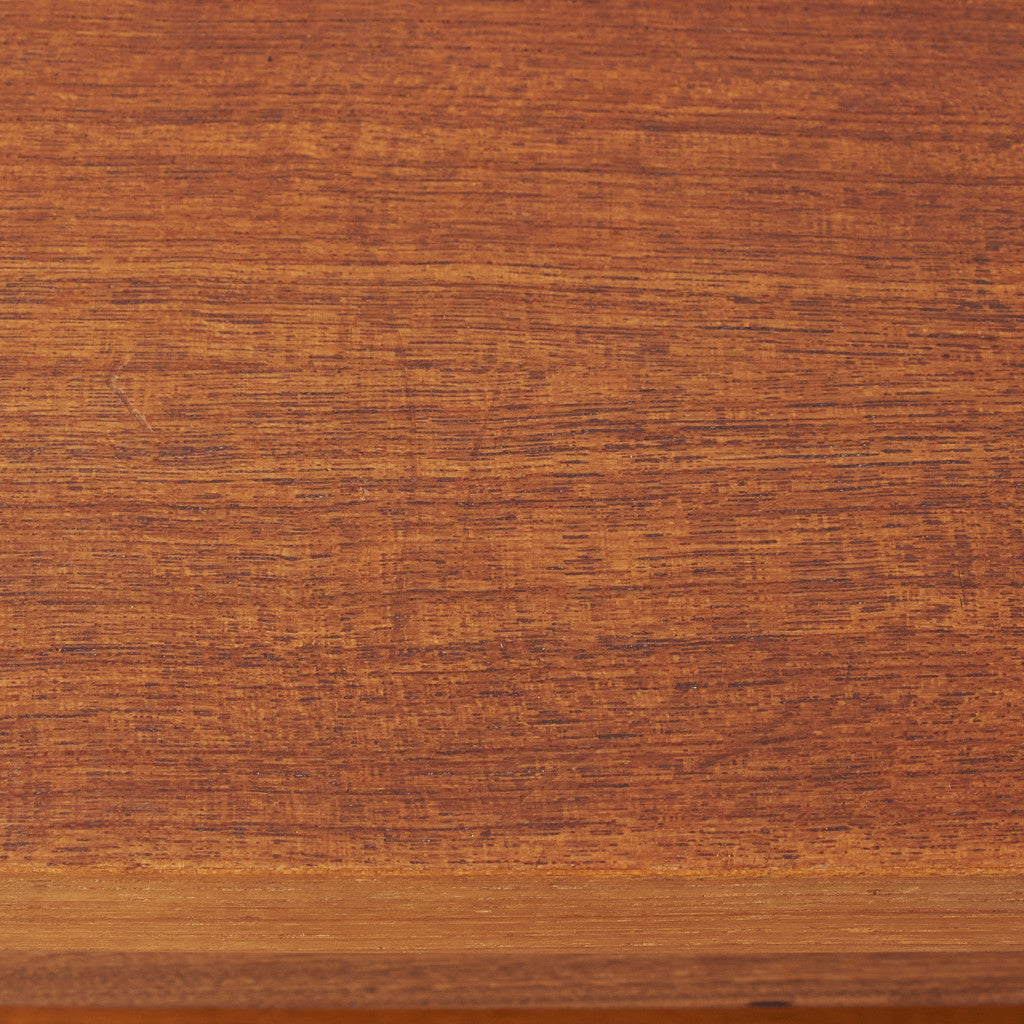
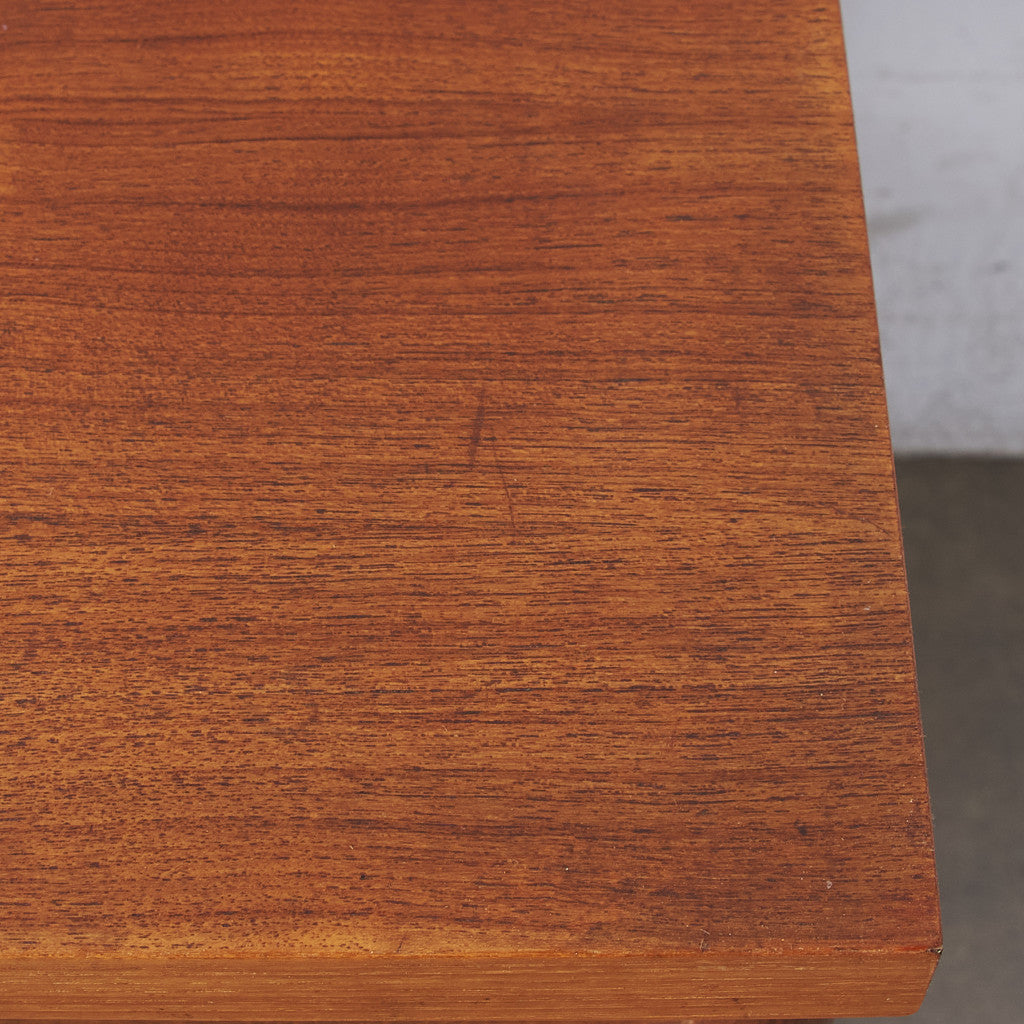
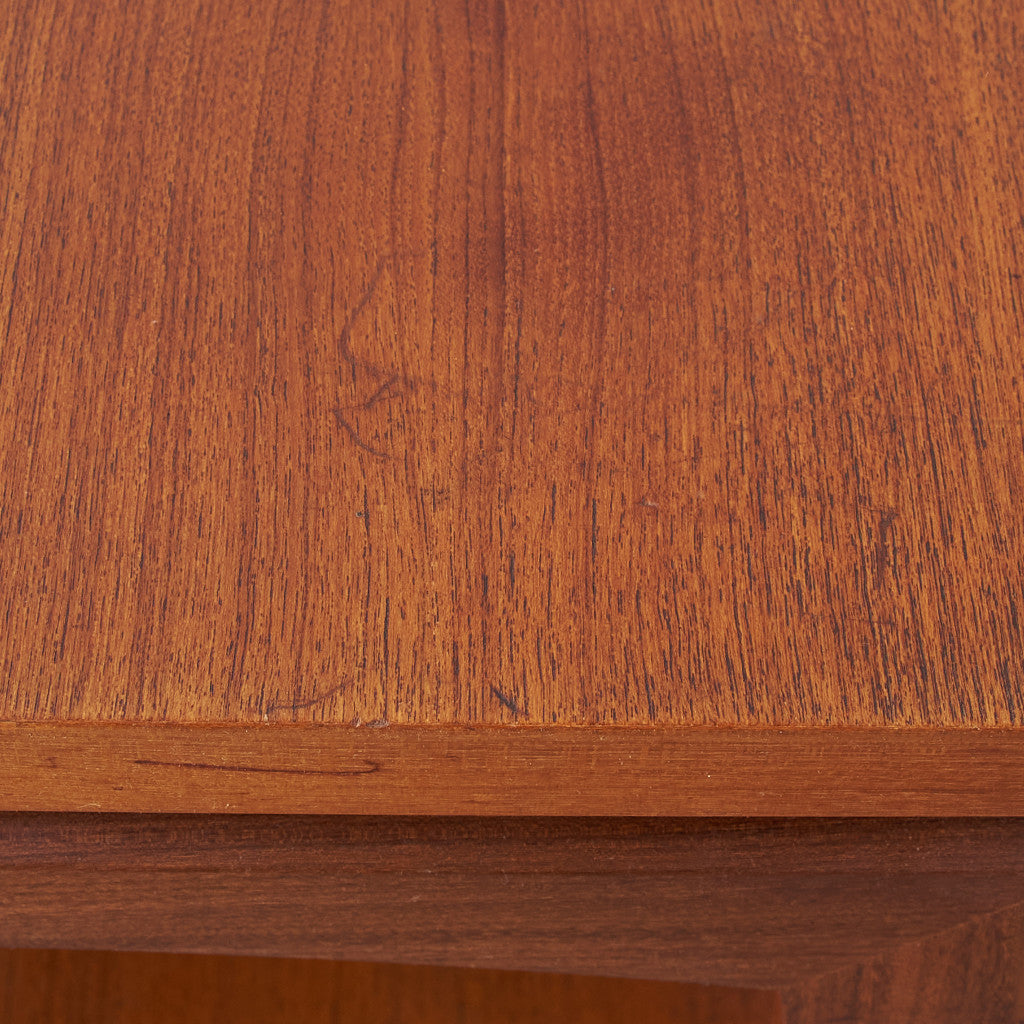
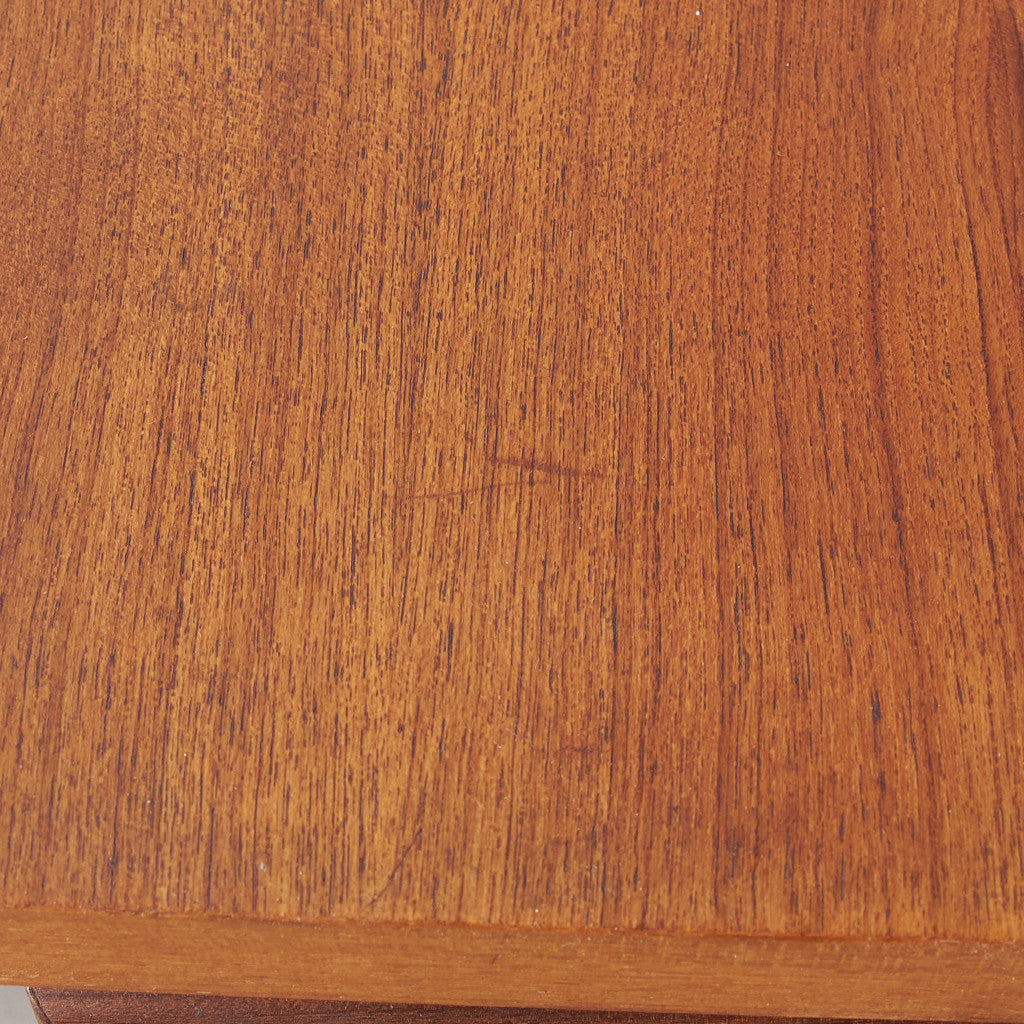
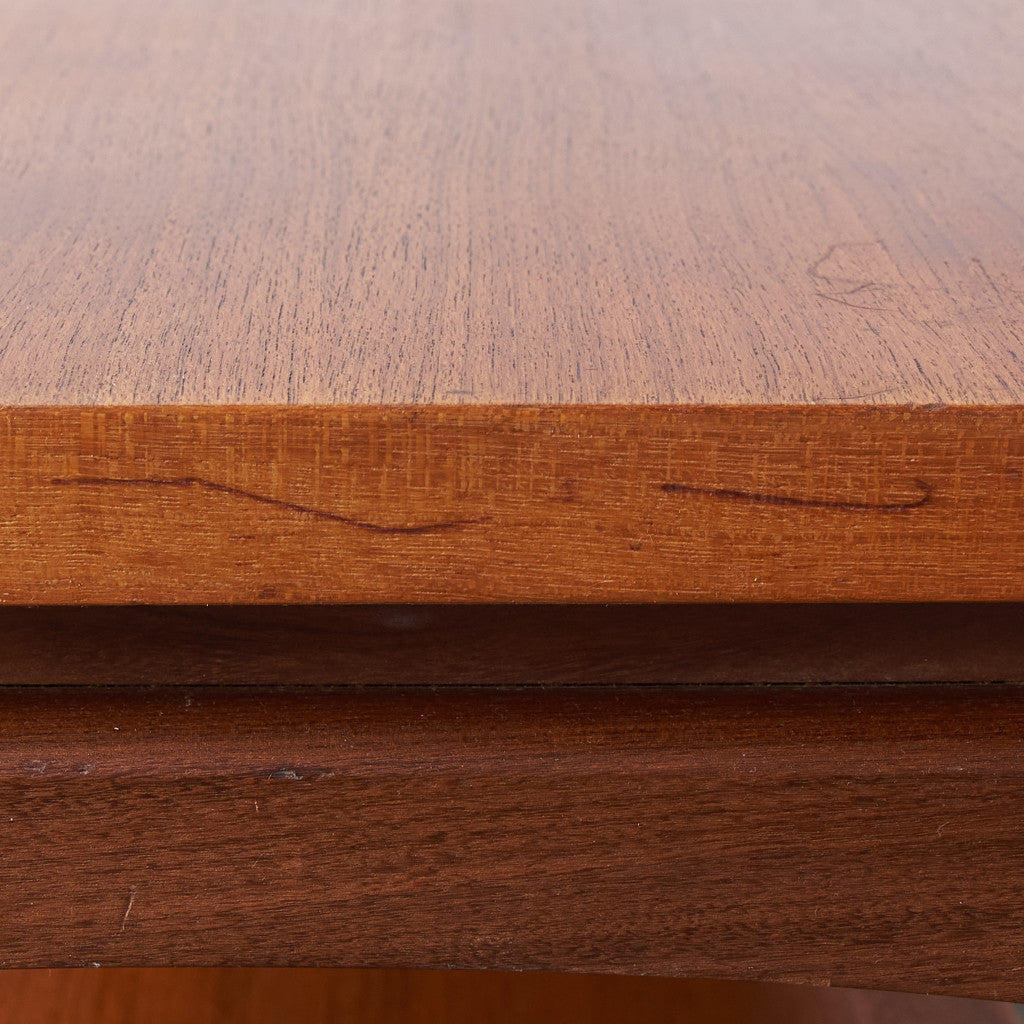
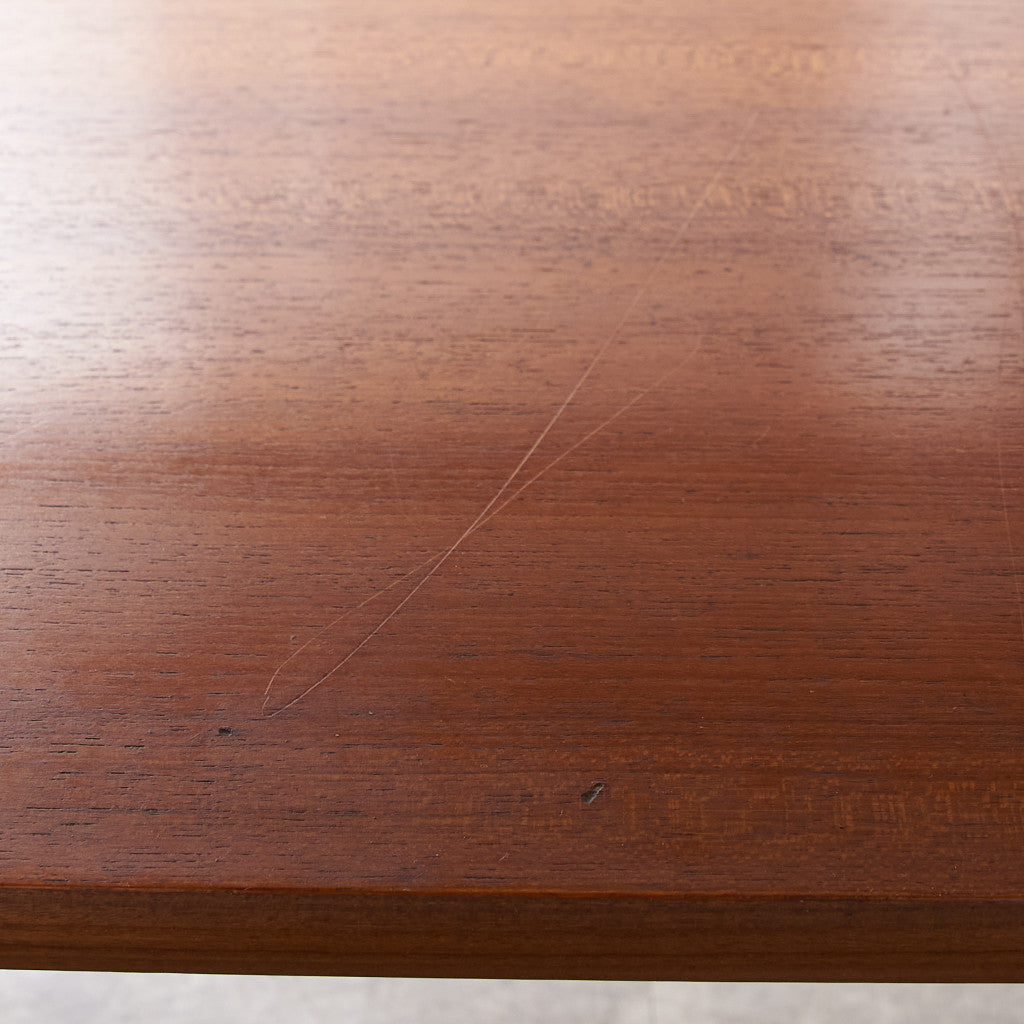
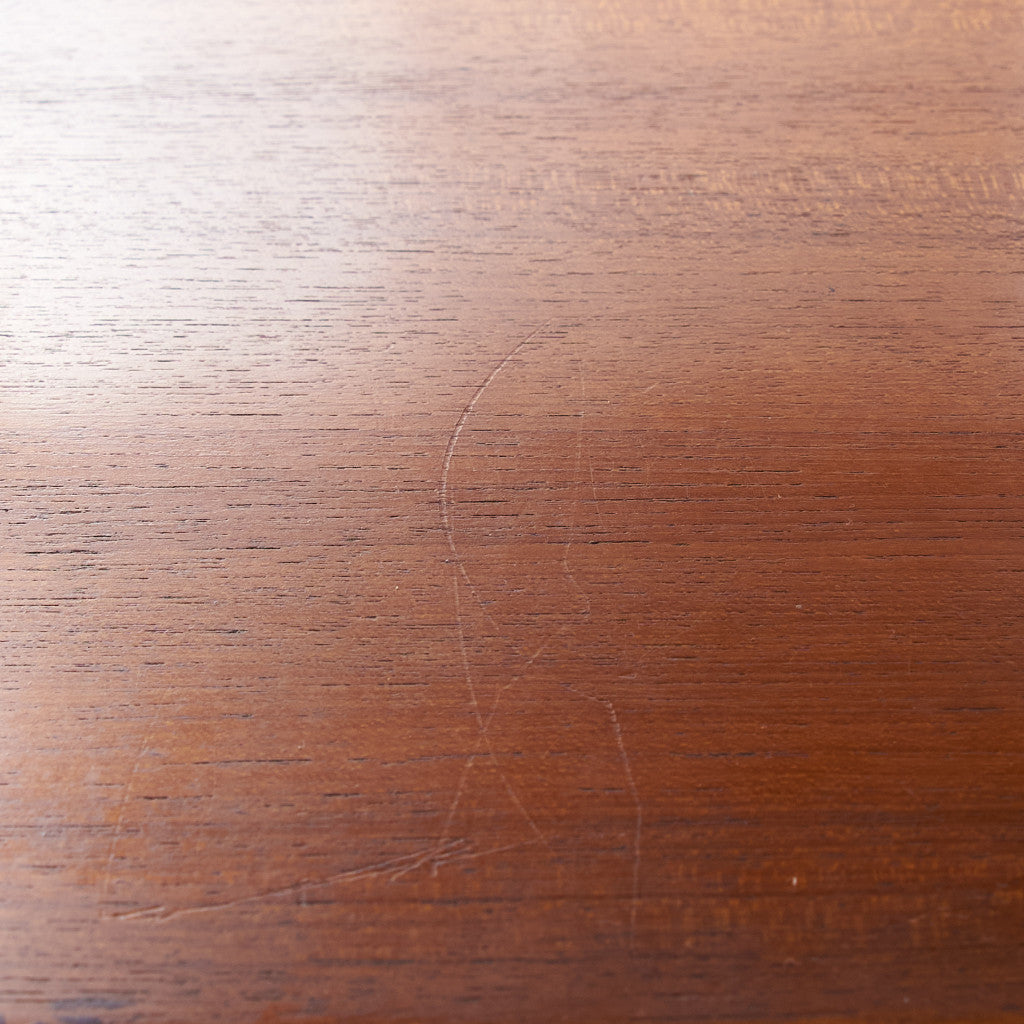
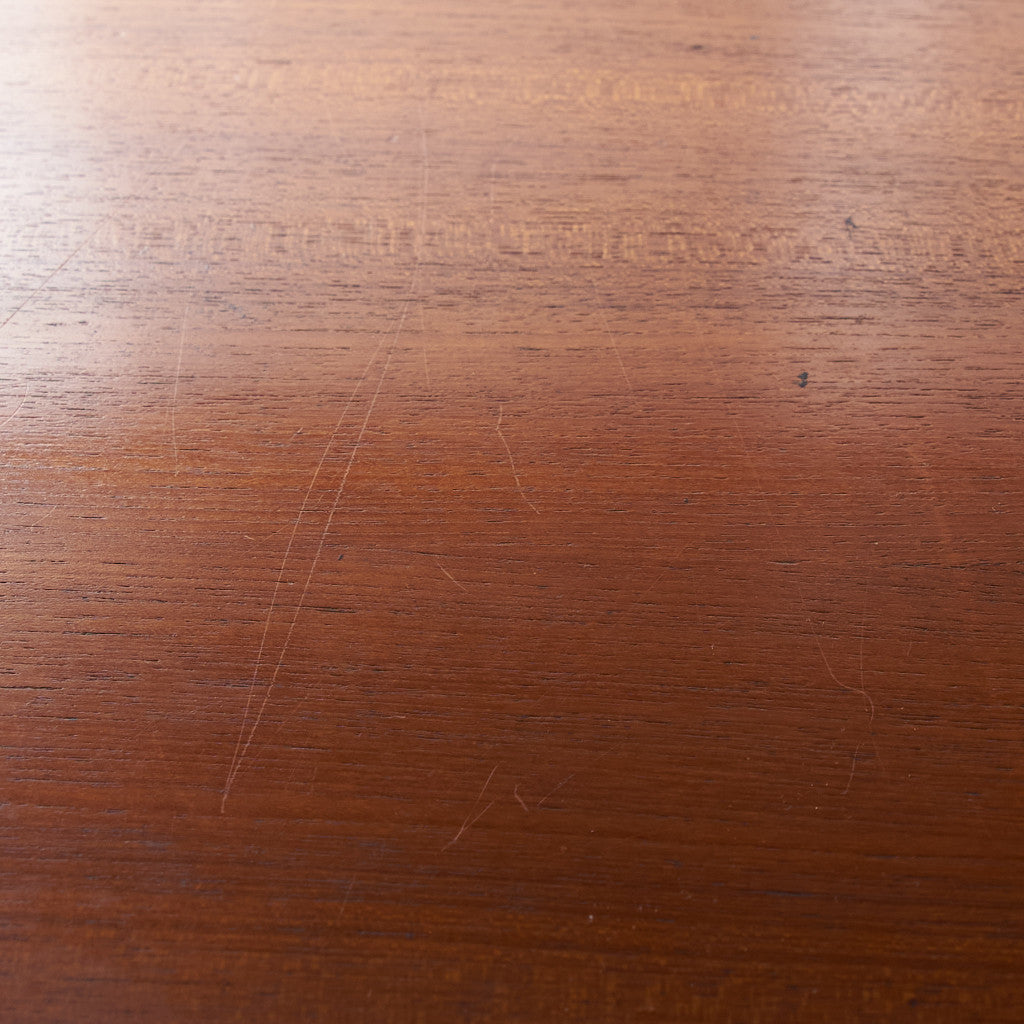
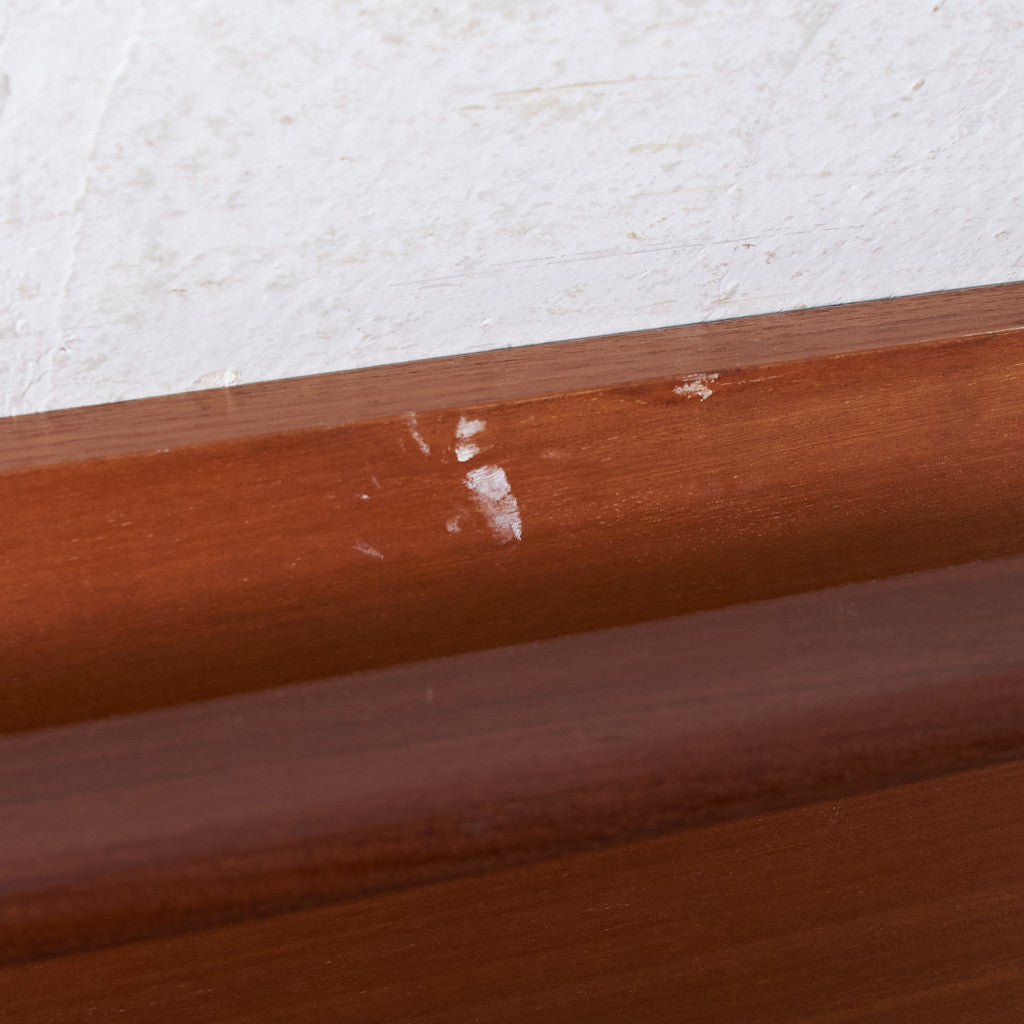
- ★★★ Some scratches or stains
Rating guide
★★★★★★ Brand new, unused ★★★★★ Like new ★★★★ No noticeable scratches or stains ★★★ Some scratches or stains ★★ Scratches or stains ★ Poor overall condition
- Maintenance
-
Maintenance completed
Cleaning, repairs, and other maintenance have been completed by camori.


COMING SOON
メンテナンス前の掘り出し物
-
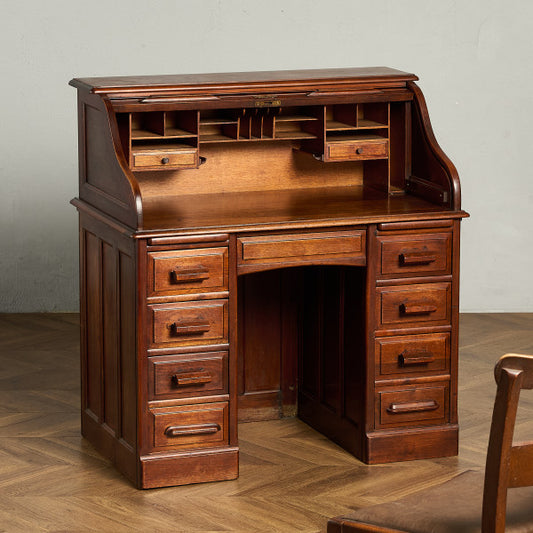
英国 アンティーク 蛇腹式 ロールトップ デスク #99661
Regular price ¥167,200Regular priceUnit price per¥176,000Sale price ¥167,200への送料Sale -
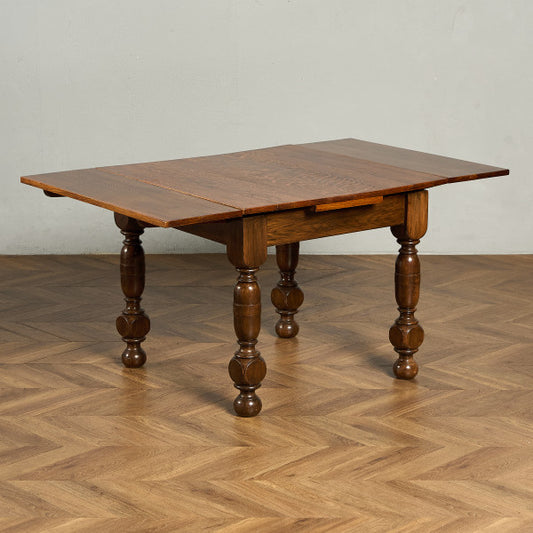
英国 クラシック ドローリーフ ダイニングテーブル #99660
Regular price ¥99,275Regular priceUnit price per¥104,500Sale price ¥99,275への送料Sale -
英国 アンティーク 両袖 デスク #99657
Regular price ¥104,500Regular priceUnit price per¥110,000Sale price ¥104,500への送料Sale -
英国 アンティーク ビューロー ブックケース #99656
Regular price ¥157,795Regular priceUnit price per¥166,100Sale price ¥157,795への送料Sale




ITEM CATEGORY
-

Other furniture
all mirror Audio-video board Wall Unit wagon Magazine rack Sewing box Wall...
-

miscellaneous goods
all Tableware and cutlery illumination kitchen Interior goods Cushion cover Christmas -->


Important Notes
Please review before ordering
- Notes for all items
-
- Storage periods after purchase are negotiable. Please feel free to contact us.
- Installation, assembly, and wiring are the customer's responsibility.
- Parts and manuals are not included unless shown in the description or photos.
- If you cannot view the detail images, please contact us. Returns cannot be accepted on the grounds of unviewed images.
- We cannot provide compensation exceeding the purchase price, such as installation costs or replacement with new items.
- Except for defects reported within 7 days of delivery, repairs remain available for consultation at any time, excluding damage caused intentionally or by negligence.
- If the item differs from the product page or has an issue not described, contact us within 7 days of delivery for a return or exchange.
- Returns for personal reasons are accepted only if you cover the return shipping cost and the item is returned in unchanged condition.
- See our full return and exchange policy
- Notes for pre-owned items
-
- Please check for missing parts or manufacturer options yourself before purchase.
- Due to photo limits, minor scratches or areas that do not affect use may not be shown.
- Please understand that pre-owned furniture may have a slight odor; sensitivity varies by person.
- We may be unable to address modifications or repairs by previous owners, hidden damage, or unforeseeable aging.
- Most pre-owned items are one of a kind. No replacement can be provided in case of shipping accidents or defects.
- Handling vintage and antique items
-
- Finishes are weaker than modern ones; ring marks, fading, or color transfer may occur.
- These pieces are less sturdy than modern furniture and may shrink or expand depending on placement, temperature, and humidity.
- Most items have oil or lacquer finishes. Please avoid wiping with alcohol.
- Items are shipped with maintenance oil applied; wiping with a damp cloth may pick up brown oil residue.