 テーブル
テーブル チェア
チェア サイドボード
 デスク
デスク ブックケース
 チェスト
チェスト ウォールユニット
 その他家具
その他家具 雑貨
雑貨 メンテナンス
30万円以上のお買い物で、送料が無料に

camoriでは、税込30万円以上のお買い物で、送料が無料になるサービスを開始いたします。
大型の家具や複数点のまとめ買いがぐっとお得になります。
- 対象商品
- オンラインショップ・倉庫でお取り扱いのすべての商品
- 条件
- 税込30万円以上のご購入
- お届けエリア
- 都道府県を問わず全国対象(お届け可能な地域に限ります)
- 適用方法
- カート小計が税込30万円以上になると、ご購入手続き画面で送料が自動的に無料になります。クーポンコードの入力などは必要ありません。
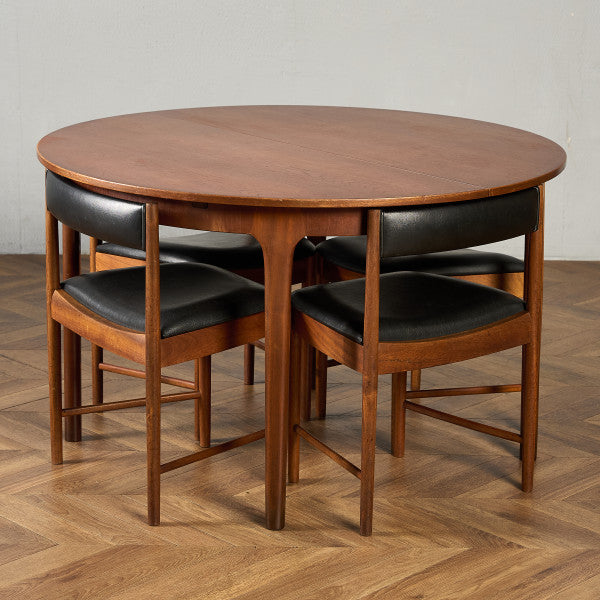
- こちらのダイニングセットの場合、通常¥35,110(東京都へのお届け)の送料が無料に!
憧れの一点も、ダイニングセットのようにまとめてのお迎えも。オンライン・倉庫どちらでも同じ条件です。
ぜひご利用ください。


[63120][Fritz Hansen] Seven Chair
[63120][Fritz Hansen] Seven Chair
Couldn't load pickup availability
Easy home delivery serviceでお届け
倉庫受け取りについて
倉庫にて直接の受け取りが可能です。
ご購入手続き画面にて、店頭受け取りをご選択ください。

- 倉庫住所:
- 〒144−0046 東京都 大田区 東六郷1丁目12-3
SKU:63120
- 倉庫在庫場所
- Kamata Warehouse No. 12F D2 (2nd row)
The Seven Chair was designed by master Arne Emil Jacobsen and produced by the Danish company Fritz Hansen.
The Seven Chair was created by Jacobsen in 1955, three years after the Ant Chair. It is still used today as the national chair of Denmark in many public facilities, such as Copenhagen Airport and the Danish Design Center. It has endured 200,000 strength tests, which are usually limited to 70,000, and is a masterpiece of high quality and design that perfectly combines beauty and robustness. Memorable and timeless curves. The light form supported by steel pipes has earned it the nickname of the Butterfly Chair.
仕様
- サイズ(単位mm)
- - Width 495 Depth 500 Height 770 Seat height 430
- 主な素材
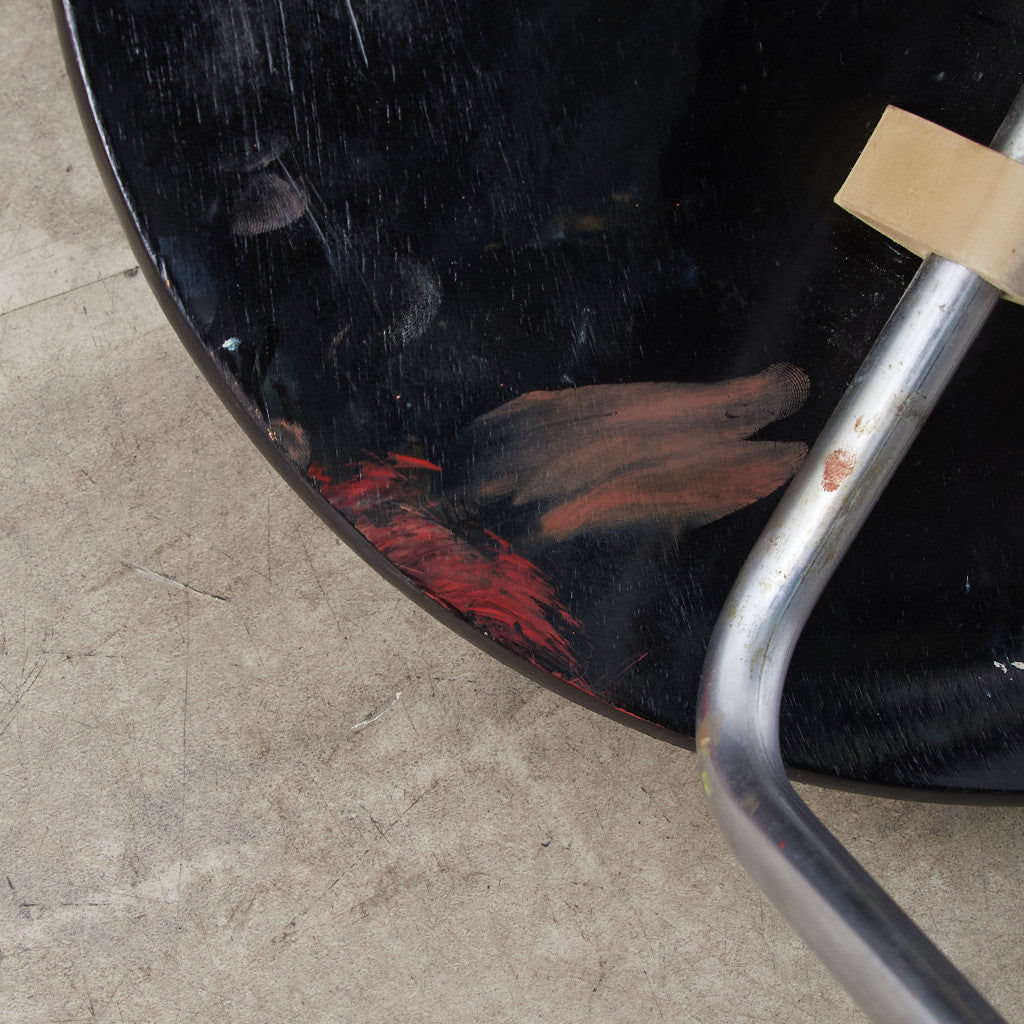
- - Body: lacquer finish
- Legs: Steel
- 特記事項
- -
- コンディション
-
★★★★★★ 新品、未使用 ★★★★★ 未使用に近い ★★★★ 目立った傷や汚れなし ★★★ やや傷や汚れあり ★★ 傷や汚れあり ★ 全体的に状態が悪い


ブランド
- Fritz Hansen
A Danish brand that is an icon of Scandinavian modern design and has produced many masterpieces. Fritz Hansen, a young furniture craftsman at the age of 25, founded a furniture parts manufacturer in Copenhagen in 1872. In 1885, he established an original furniture manufacturing company, and two years later, he opened a manufacturing facility in the center of Copenhagen. With his reliable technology, he gained a reputation as a high-quality manufacturer. In 1899, Fritz Hansen's son and successor, Christian E. Hansen, took over the business. Around this time, he became involved in important projects, and worked on furniture for large-scale buildings such as Christiansborg Castle, the Danish Parliament Building, and Copenhagen City Hall. In the 1920s, he actively introduced new materials and new production techniques. As the company grew into an industrial manufacturer, Christian E. Hansen began experimenting with steam-bent beech wood. The technique of bending wood, which continued to evolve, was established in the 1930s, and Fritz Hansen became a world leader in this field. From this period, Fritz Hansen began to produce furniture in collaboration with talented and up-and-coming designers and architects. The fusion of leading designers such as Arne Jacobsen, Paul Kjaerholm, Hans J. Wegner, and Vico Magistretti with Fritz Hansen's innovative technology and high craftsmanship left behind many historical masterpieces. In particular, the molded plywood chair Ant Chair, designed by Arne Jacobsen and released in 1952, and the Egg Chair and Swan Chair, released in 1958, became the most successful works in the history of Danish furniture, greatly increasing the value of Scandinavian furniture. Fritz Hansen is a pioneer of today's industrialized manufacturing methods and is also known for the precision of its manufacturing techniques. It is an indispensable presence in the history of furniture, and is a big brand that continues to be loved even today.
デザイナー
- Arne Emil Jacobsen (1902-1971)
Jacobsen is one of the leading figures in the modern style, an architect and designer who produced many best-sellers. He is known as the father of Danish design. He was born in Copenhagen, the capital of Denmark, in 1902. He initially wanted to be a painter, but his father opposed his dream, so he left home in 1921. He then pursued architecture, entering the Royal Danish Academy of Fine Arts in 1924. While studying there, he participated in the design of chairs exhibited at the Danish Pavilion at the Paris World's Fair under Kaj Fisker in 1925. After graduating in 1927, he joined the office of Paul Holsey. In 1929, he and his friend Fleming Lassen presented a modernist-style "House of the Future" which won a design competition and attracted attention. In the same year, he established an office and worked on a variety of buildings, but in 1940, when Denmark was occupied by Nazi Germany, Jacobsen, who was Jewish, fled to Sweden to escape persecution. After the war, he returned to Denmark and resumed his work as an architectural designer. In the 1950s, he began designing furniture, releasing a series of pieces such as the Ant Chair, Seven Chair, Egg Chair, and Swan Chair, becoming a world-famous designer. In particular, the Seven Chair, released in 1955 as a successor to the highly acclaimed Ant Chair, is Jacobsen's masterpiece, and many were produced after his death, and it still has many fans today. He created many masterpieces that are free of unnecessary decoration and pursue simple, easy-to-use functional beauty, and has received many awards in Europe and the United States. In addition, the clocks designed by Jacobsen, like the Seven Chair, still have many fans today. His designs were not limited to architecture and furniture, but also included textiles, tableware, and lighting. He taught at the Royal Danish Academy of Fine Arts and Oxford University, and was active until his later years, including the architecture of the National Bank of Denmark, which is said to be his greatest masterpiece in his later years and is his posthumous work.
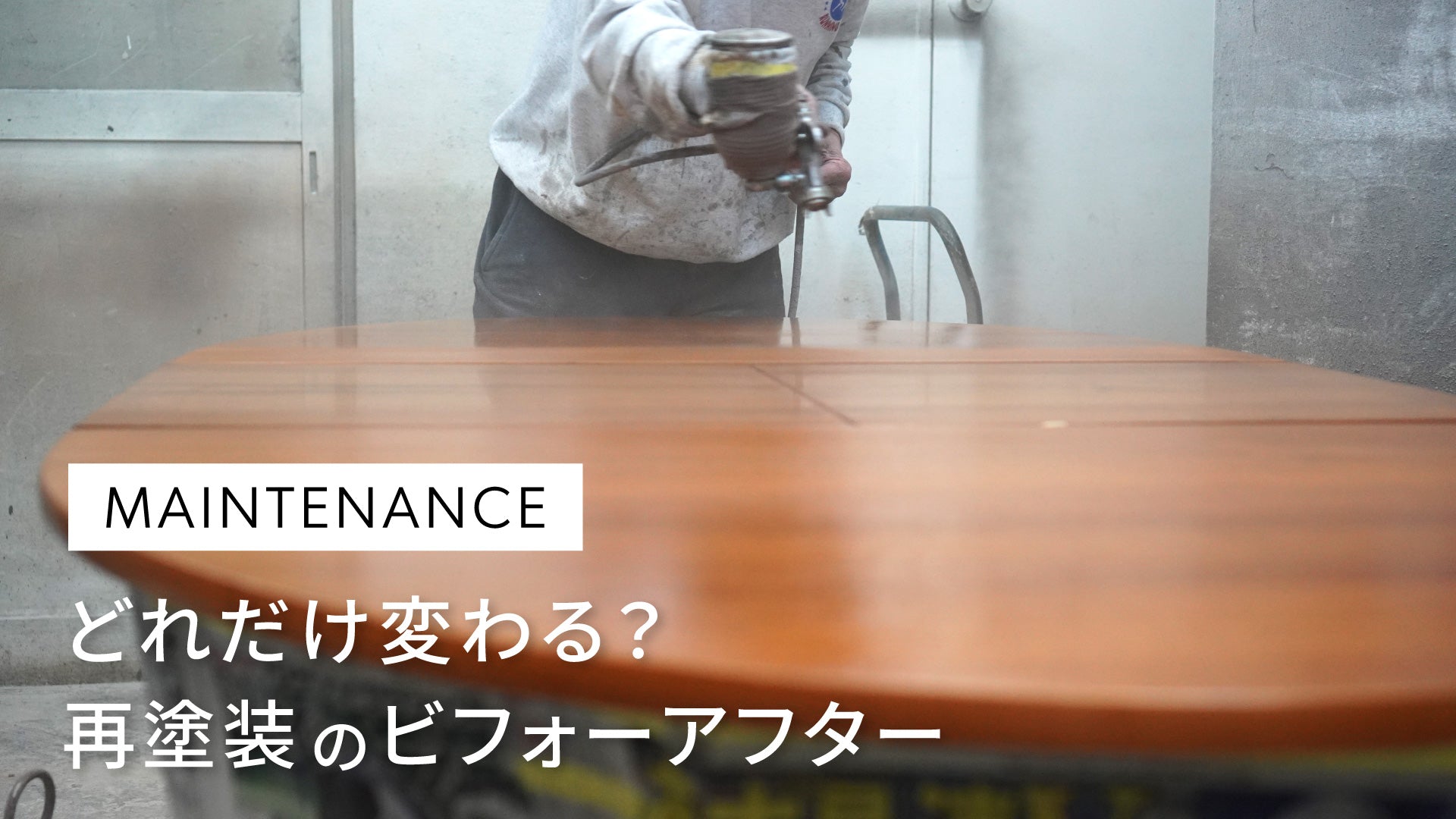
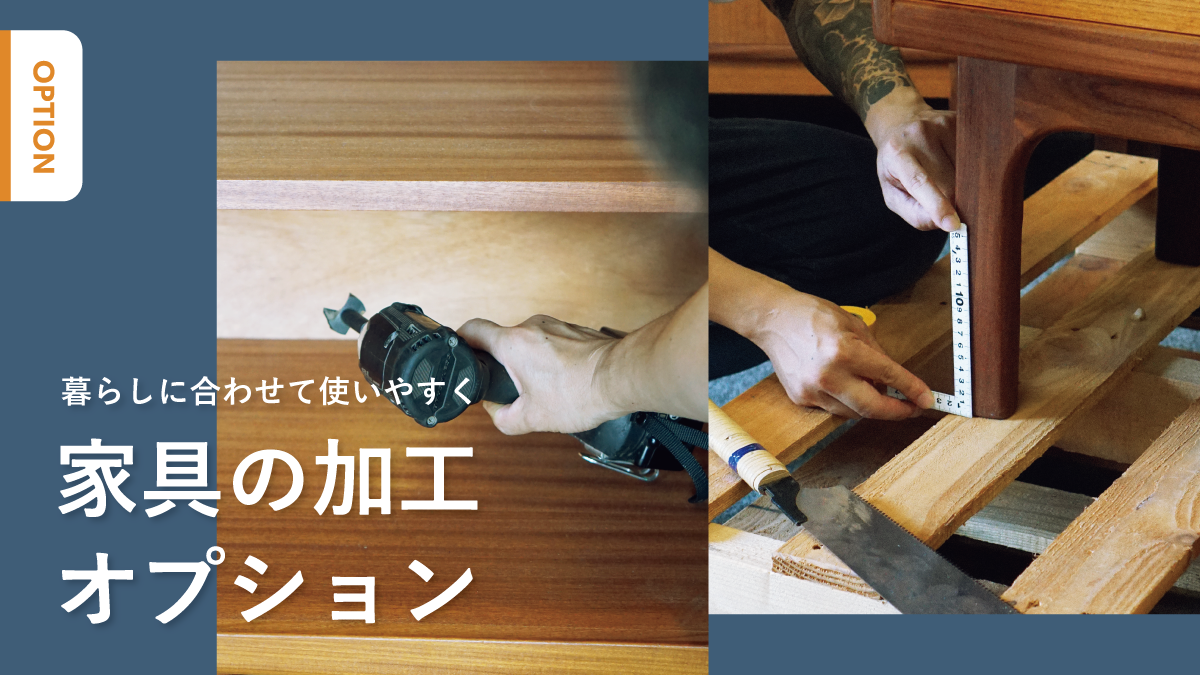
COMING SOON
メンテナンス前の掘り出し物
-
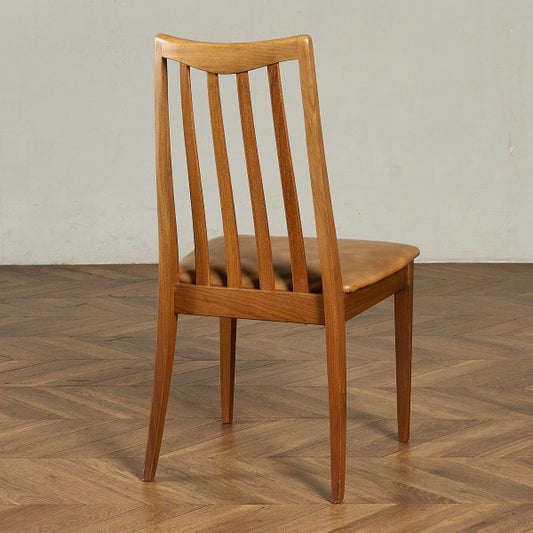
ジープラン G-PLAN スラットバックチェア (4540) #89639
Regular price ¥33,000Regular priceUnit price per -
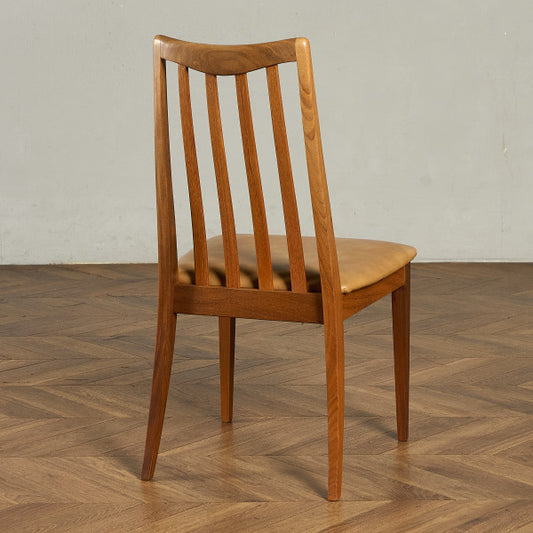
ジープラン G-PLAN スラットバックチェア (4540) #89636
Regular price ¥33,000Regular priceUnit price per -
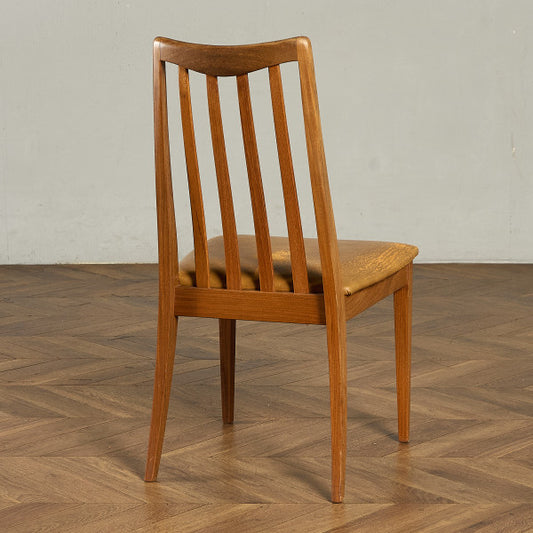
ジープラン G-PLAN スラットバックチェア (4540) #89637
Regular price ¥33,000Regular priceUnit price per -
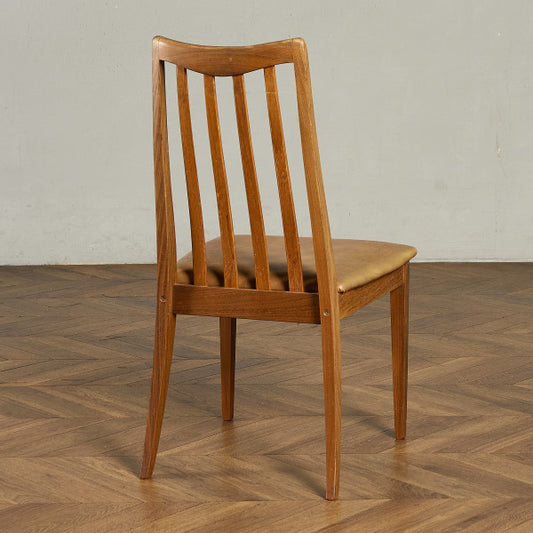
ジープラン G-PLAN スラットバックチェア (4540) #89638
Regular price ¥33,000Regular priceUnit price per




注意事項
ご注文の前にご確認ください
- すべての商品に関する注意事項
-
- ・ご購入後の保管期間はご相談に応じます。お気軽にお問い合わせください。
- ・商品の取り付けや組み立て、配線等はお客様にてお願いします。
- ・パーツや説明書は、本文中や写真に掲載がない限り付属いたしません。
- ・商品詳細画像をご覧になれない場合はご連絡ください。画像未確認の場合も返品はお受け致しかねます。
- ・設置に関わる工事費用や新品代替品のご用意等、ご購入代金を超える保証は致しかねます。
- ・お客様の故意・過失による破損を除き、ご購入後の修理はいつでもご相談を承ります。
- ・商品ページの記載と異なる場合や、記載のない不具合があった場合は、商品到着から7日以内にご連絡いただければ返品・交換にて対応いたします。
- ・お客様のご都合による返品は、返送料をご負担いただき、返却時に商品のコンディションに問題がない場合に限りお受けいたします。
- ※返品・交換ポリシーの詳細はこちら
- ユーズド商品に関する注意事項
-
- ・不足パーツやメーカーオプション品等についてはお客様にてご確認下さい。
- ・画像掲載枚数に限りがあるため実用に差し支えない部分や、細かい傷などは掲載できない場合があります。
- ・感じ方に個人差がございますが、中古家具における多少の匂いについては予めご了承ください。
- ・前所有者による改造や修理、通常の扱いでは見えない箇所の破損、予想できない経年劣化などにつきましては対応不可となる場合がございます。
- ・ユーズド品は殆どの商品が一点物になります。運送事故や不具合が生じた場合代替品はご用意できません。
- ヴィンテージ・アンティーク商品の取り扱いについて
-
- ・塗装が現代のものに比べ弱く、輪染みや色落ち、色移りの可能性があります。
- ・現代の家具より強度が低く、設置場所や輸送時の温度・湿度によって収縮が生じる場合があります。
- ・オイルやラッカー仕上げが主になりますので、アルコールでの拭き上げはお控えください。
- ・メンテナンスオイルを塗布しての出荷となりますので、水拭きなどの際にはオイルが付着し茶色くなります。
ITEM CATEGORY
-

Other furniture
all mirror Audio-video board Wall Unit wagon Magazine rack Sewing box Wall...
-

miscellaneous goods
all Tableware and cutlery illumination kitchen Interior goods Cushion cover Christmas -->


